
In my mid to late 40’s, my body started changing in ways I didn’t recognize at first. Now at 51 years old, I realize I had started going through perimenopause. It makes sense, given that most women reach menopause between 45 and 55, and perimenopause can go on for several years.
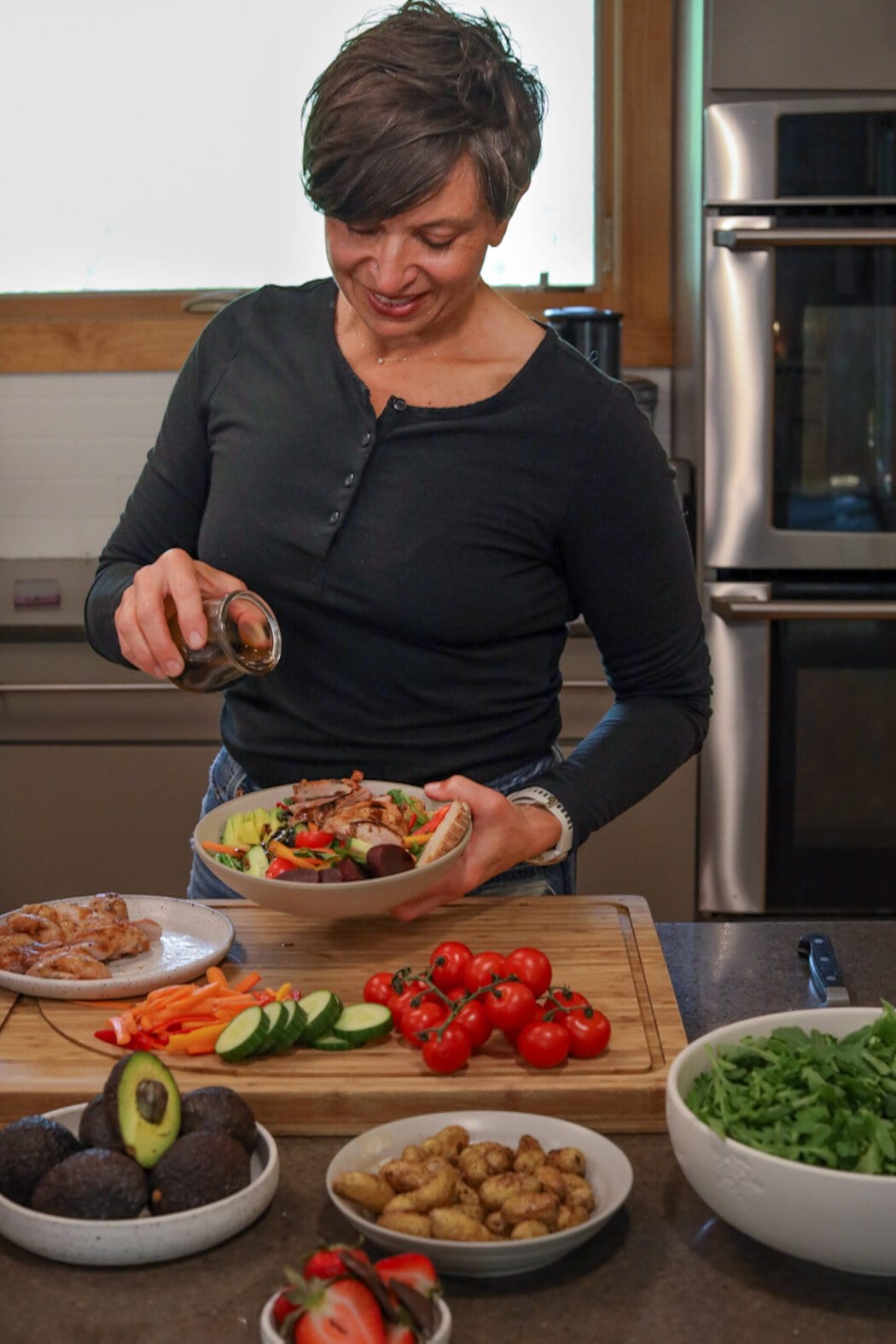
When women start experiencing symptoms of perimenopause, it is a confusing and hard time, and it has been for me, too. I struggled at times, emotionally and physically, not knowing what was fully going on. As a lifelong learner and registered dietitian, I’ve read a lot about perimenopause on my journey. And I also put my education into practice—testing new supplements, wearing a continuous glucose monitor (CGM), getting my labs done, chatting with my doctor, knowing my increased risks during this stage of life, and tweaking my diet and exercise habits to help.
Many of the things I’ve learned and tried have helped me support my body through perimenopause and going into menopause and my post-menopausal years. While there’s no one-size-fits-all perimenopause diet or exercise plan, there are plenty of foods and nutrients that help. Here are the science-backed foods that make a difference for me.

Foods And Nutrients To Prioritize
Balancing calories-in and calories-out (like I did in my 20s and 30s) doesn’t quite work for perimenopause. Hormone fluctuations and the eventual drop in estrogen can impact insulin sensitivity, mood, muscle mass, and so much more.
One of the biggest drivers of weight gain in perimenopause is the increase in insulin resistance as estrogen levels decline. To help combat that, I became more strategic about the foods I was eating, especially carbohydrates. I focused on replacing higher-sugar and refined carbs with fiber-rich whole grains, legumes, fruits, and vegetables.
I didn’t want to feel restricted, but I did choose to be more intentional about the foods I was putting on my plate. In addition to dialing in my carbs and strategically consuming them before and after workouts, I dug into the research on protein, healthy fats, vitamins, and minerals to help keep my body healthy through the hormonal changes that come with perimenopause. Here are some healthy eating tips to help improve quality of life and health during perimenopause.
Get More Protein
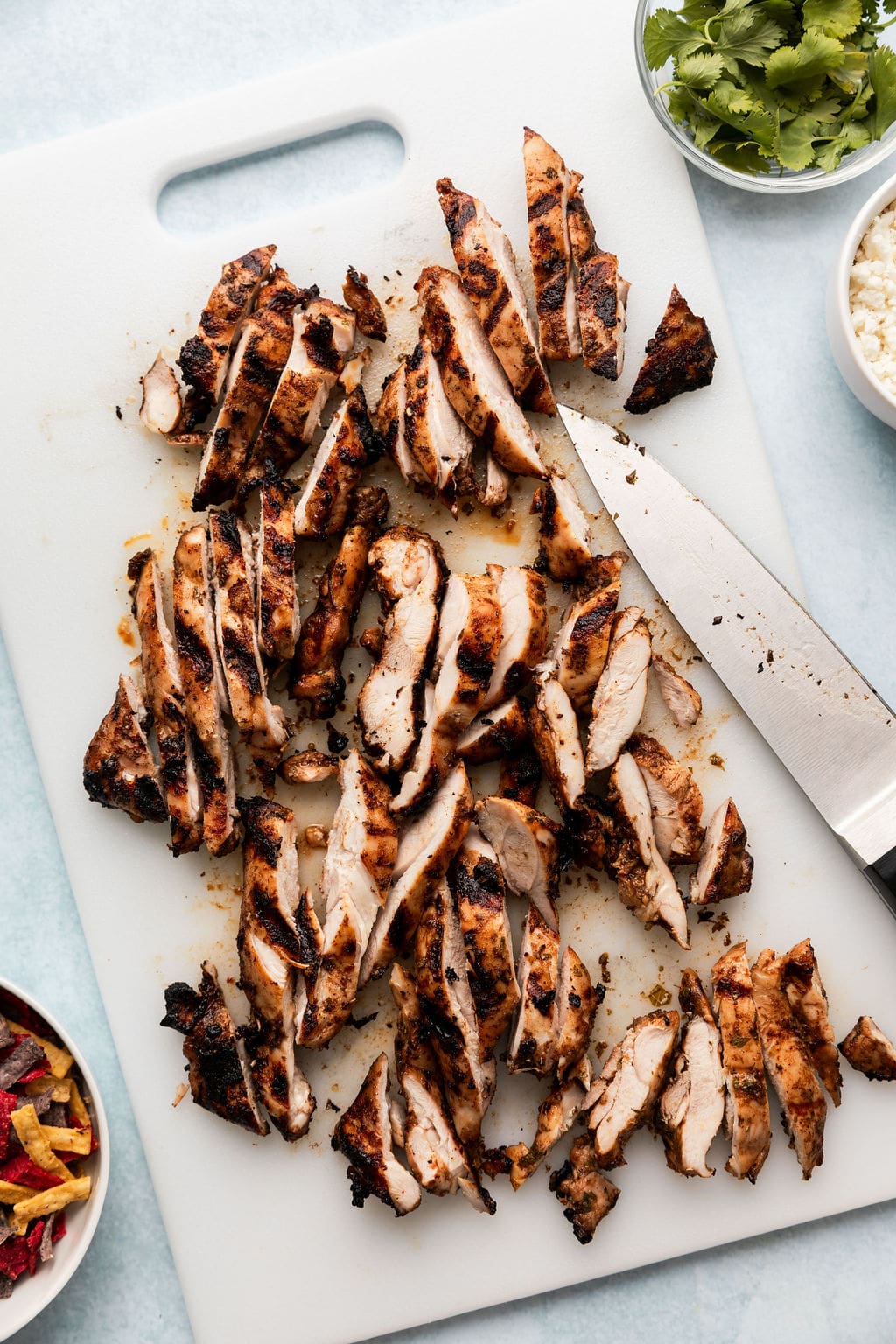
Protein is all the rage right now, and the hype is real for women in perimenopause. Just getting older alone, for both men and women, is a risk factor for losing muscle. But aging coupled with estrogen levels dropping, means women face losing muscle and a decline in the quality of their muscle. It’s not all doom and gloom, though. Eating more protein and strength training are ways to help combat muscle loss.
Personally, I want muscle so I can keep up my active lifestyle (more hiking, biking, and skiing, please!) and prevent injuries. And now I know it’s even more important as I get older. Lack of muscle can cause frailty, a condition where metabolism slows, and physical function decreases. I’d like to be independent and healthy for as long as possible, so preserving muscle is a big goal for me in perimenopause and beyond, and protein plays a key role here.
How much protein a person needs per day varies based on different factors, including age and activity level, but getting around 1.2-1.6 grams of protein per kilogram of body weight per day is recommended. For a 150-pound person, that would look like eating 81-109 grams of protein per day. To reach that number, I include protein-rich foods at every meal and snack. I make a lot of high-protein dinners, but also focus on getting enough at breakfast, lunch, and in-between moments.
It should come as no shock that I also try to get most of my protein from real food sources. Protein powders can be incredibly convenient and add protein to recipes where it might be lacking (think smoothies or pancakes). But protein from food comes packaged with other important nutrients, too. Salmon, for example, is a protein-rich food that also has omega-3’s; beef comes with iron; yogurt has lots of calcium; and the list goes on.
Here are some protein foods I prioritize:
- Greek yogurt
- Poultry: chicken and turkey
- Pork
- Beef
- Fish and seafood: salmon (and other fatty fish), tuna, shrimp
- Soy: tofu, tempeh, edamame
- Lentils and beans
- Cottage cheese
- Nuts and seeds
- Eggs (I don’t eat these because I’m allergic, but they are a great protein source)
- Protein powder
Pay Attention To Fiber
Fiber is an important nutrient. It takes longer to digest, and helps slow down the absorption of diabetes and support healthy blood sugar levels. That’s helpful for anyone with prediabetes or diabetes, but also for perimenopause.
As estrogen levels drop, insulin resistance increases. The metabolic changes mean that eating carbohydrates can raise blood sugar higher and more quickly than it did before, and many instances of this over time could eventually lead to type 2 diabetes or metabolic syndrome. Being mindful of my carbohydrate intake and the types of carbohydrate-containing foods I choose (and whether or not they have some fiber) helps me avoid those blood sugar swings and spikes.
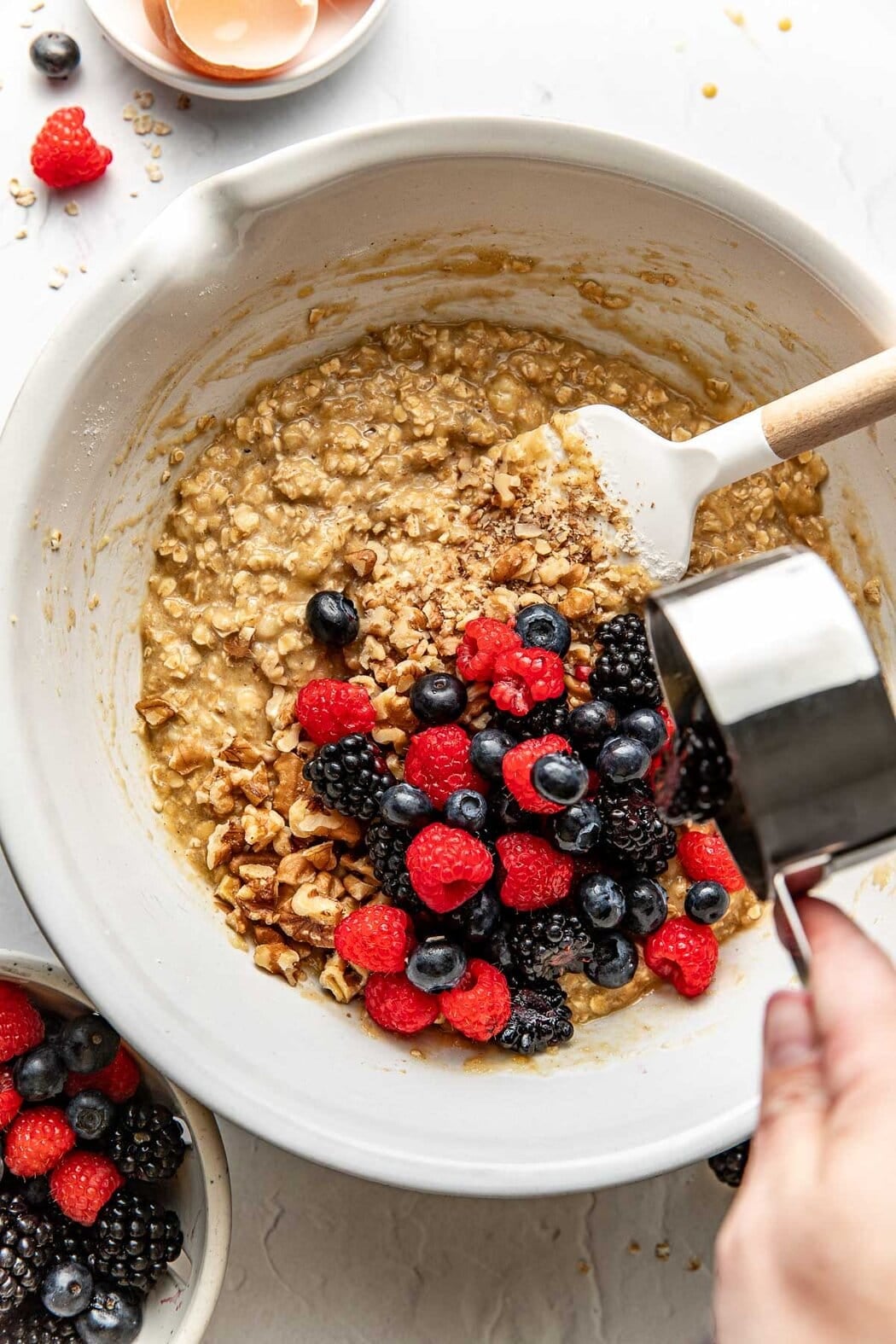
Fiber is key for gut health and staying regular, too. It also improves satiety (feeling full), which can help with weight loss and maintenance. Fiber recommendations for perimenopause are 30-45 grams per day. Most people aren’t getting nearly enough fiber every day, so I include different types of fiber in my meals and snacks. For example, I eat lots of veggies throughout the day, add a sprinkle of chia seeds to yogurt, snack on berries, and choose foods with whole grains over refined grains. And since protein and fiber are important, I rely on my favorite high-protein, high-fiber recipes for filling and satisfying meals that support my body.
To get my fill, I focus on eating enough fiber-rich foods, including:
- Whole grains: oats, quinoa, farro
- Beans and legumes: chickpeas, black beans, lentils
- Fruits
- Seeds
- Vegetables
- Nuts
Focus On Healthy Fats And Omega-3s
I’ve focused on healthy fats since becoming a dietitian, but perimenopause really puts an emphasis on them in a new way. Heart health and brain health are impacted by declining estrogen … and both of those benefit from healthy fats and omega-3s.
Heart disease is the number one killer for women. And postmenopausal women have a higher risk of cardiovascular disease compared to men at the same age (but before menopause, the reverse is actually true!). Estrogen plays a role in the cardiovascular and metabolic systems in the body and helps the heart by reducing oxidative stress. Estrogen also helps keep total cholesterol and LDL or “bad” cholesterol levels lower in the body. Hormonal changes during perimenopause make it even more important to eat a heart-healthy diet.
Choosing monounsaturated and polyunsaturated fats, like olive oil and omega-3-rich fish, over foods high in saturated fat, can help protect my heart and also my brain. Getting enough EPA and DHA (two types of omega 3s) is important for my cognition and can reduce my risk of depression and dementia. Brain fogginess, anxiety, and mood changes are other perimenopausal symptoms that are tied to declining estrogen and progesterone. Preliminary research has even linked omega-3 supplements with reduced night sweats in menopausal women.
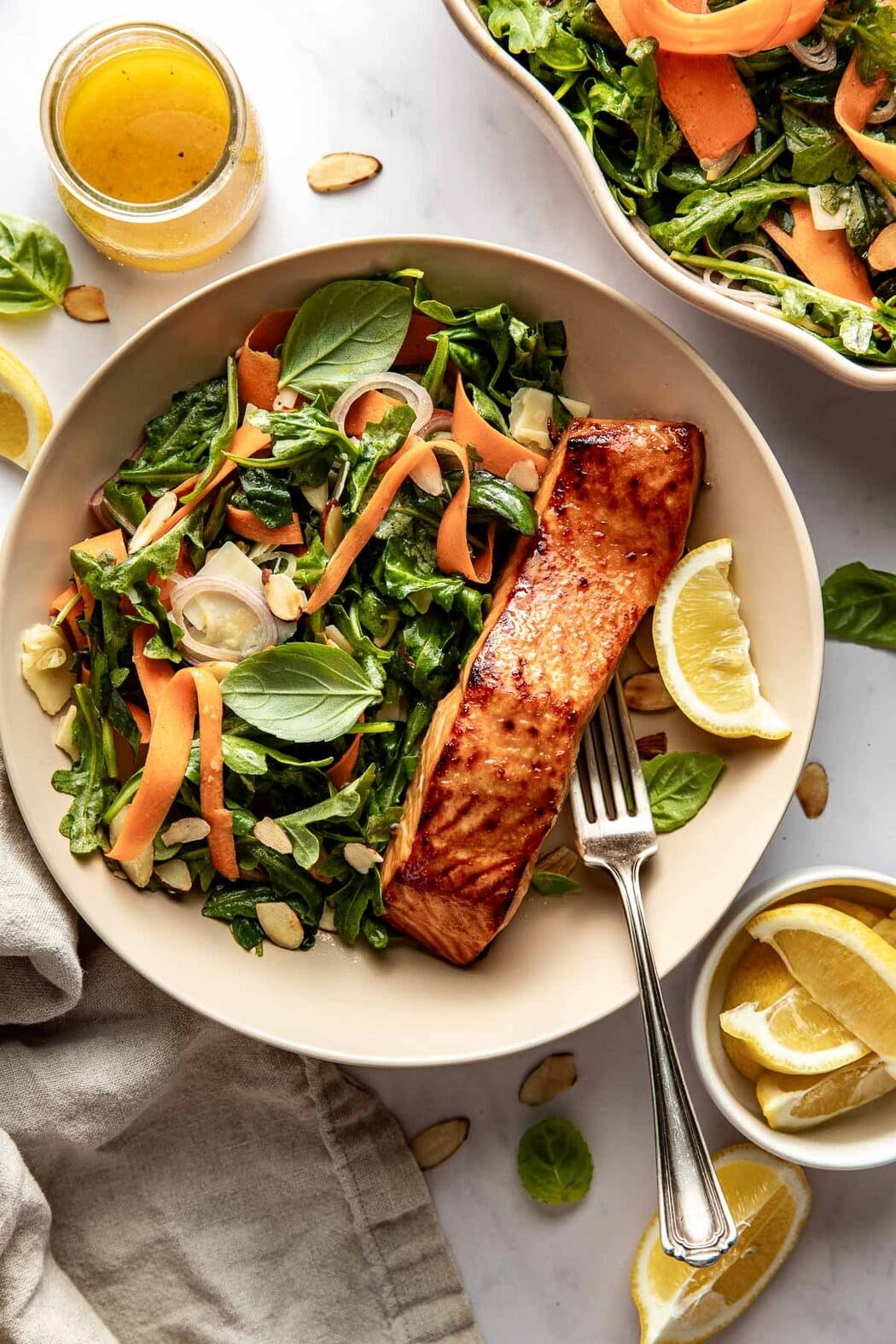
I try to get my omega-3s from food sources, focusing on getting two to three servings per week of foods rich in omega-3 fatty acids, especially fish. And omega-3 supplements may be beneficial, especially for people who don’t eat a lot of the following foods.
Omega-3 rich foods:
- Fatty fish: salmon, sardines, mackerel, anchovies
- Walnuts
- Chia seeds
- Flaxseeds
Other healthy fats to include:
- Olive oil
- Avocado
- Olives
- Nuts
- Seeds
Phytoestrogens Matter
Phytoestrogens are plant compounds that may have estrogenic properties and can almost act like estrogen in the body. They’re not an estrogen replacement, but since estrogen levels fluctuate and then decline during perimenopause, eating foods rich in phytoestrogens can help with some of the changes.
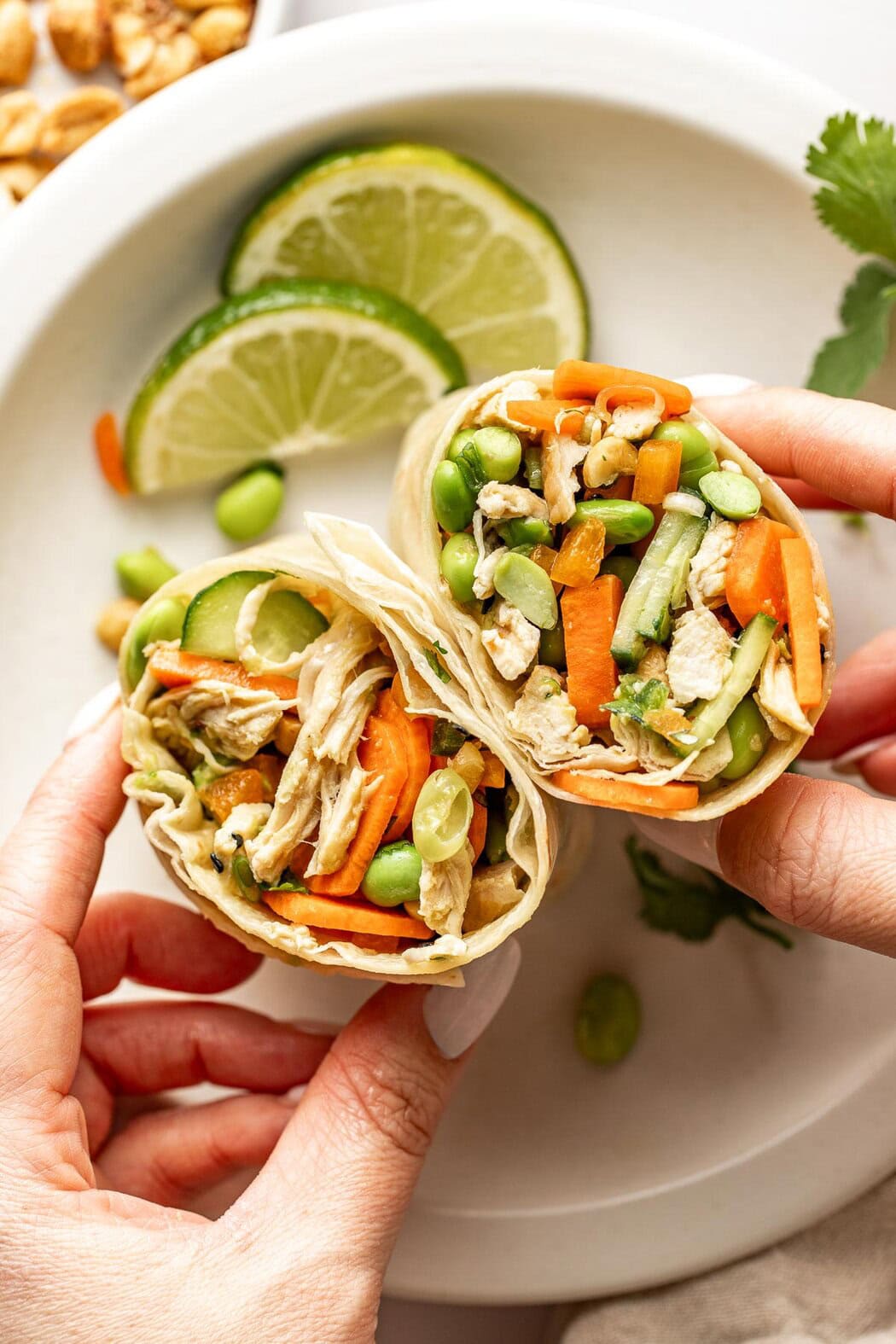
Isoflavones, which are found in soy foods like tofu and edamame, are the most researched types of phytoestrogens, especially when it comes to their impact on perimenopause symptoms. Research has found that women who ate soy had 25 percent fewer hot flashes. For me, it has been the only food that has really helped my hot flashes, so I use soy milk in my coffee and oats every day and I sometimes snack on these crunchy soy snacks.
Lignans are another type of phytoestrogen found in flaxseed, as well as some grains and vegetables. Flaxseeds may also decrease hot flashes and other perimenopause symptoms, like reducing inflammation and balancing hormones, because they are rich in lignans.
While phytoestrogens have been great to include in my diet, too many phytoestrogens can have negative effects. So I stick to one to two servings a day of soy foods. Also, many phytoestrogen supplements on the market, including Black Cohosh and Red Clover, may not actually help and come with their own risks. Before taking those, I recommend talking with a doctor about it first.
These plant-based foods are high in phytoestrogens:
- Soy: tofu, tempeh, edamame, soy milk, miso
- Legumes: chickpeas, lentils, beans
- Flaxseeds
- Green tea
- Papaya
Get Calcium And Vitamin D
Calcium and vitamin D are two nutrients known for their benefits on bone health. It’s really important to get enough of both of these nutrients during perimenopause because lower estrogen levels can increase bone loss. In the first several years after menopause, bone density can decrease by 20 percent or more. I think about my bones much more now, and I want to keep them as healthy as possible to lower my risk of osteoporosis.
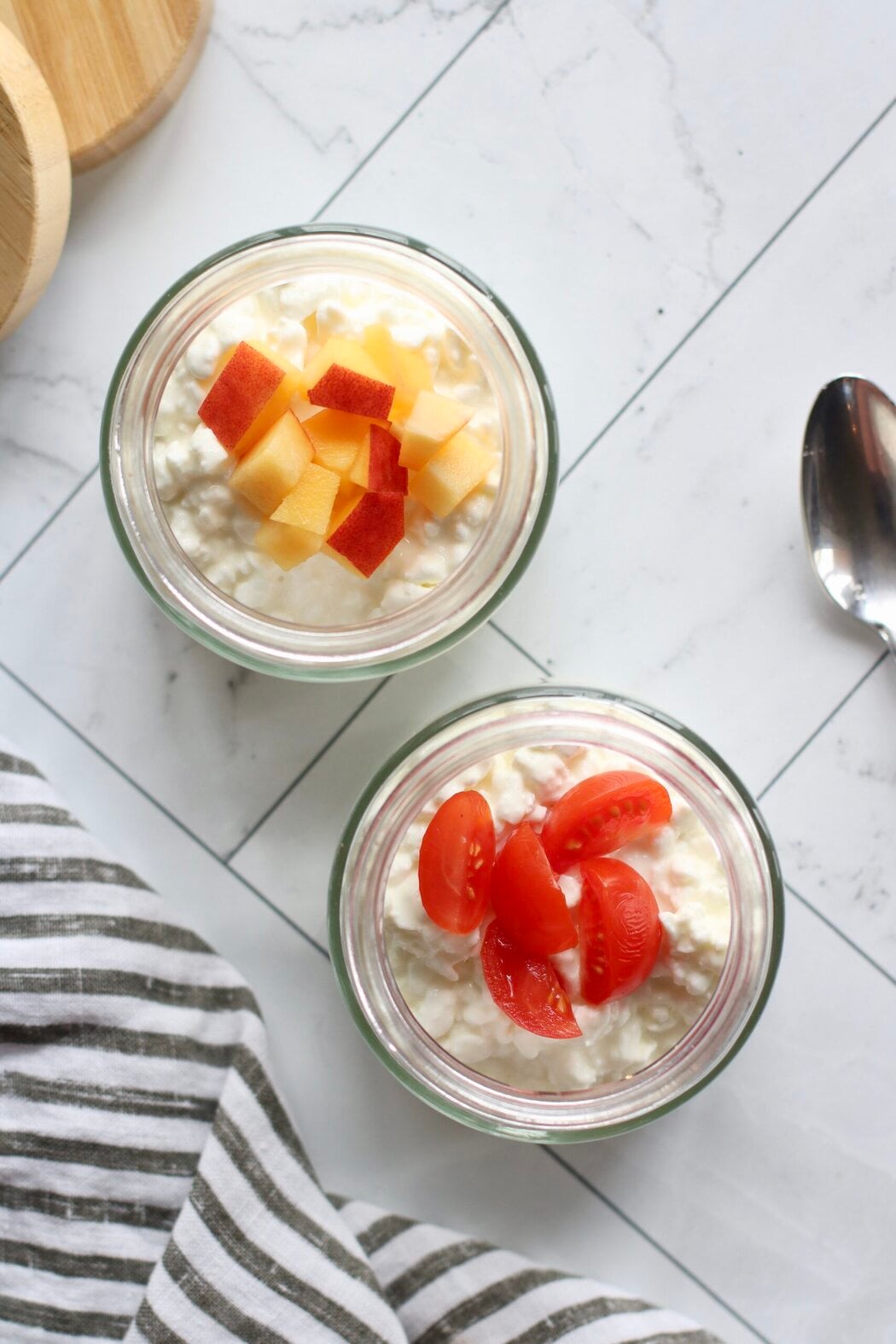
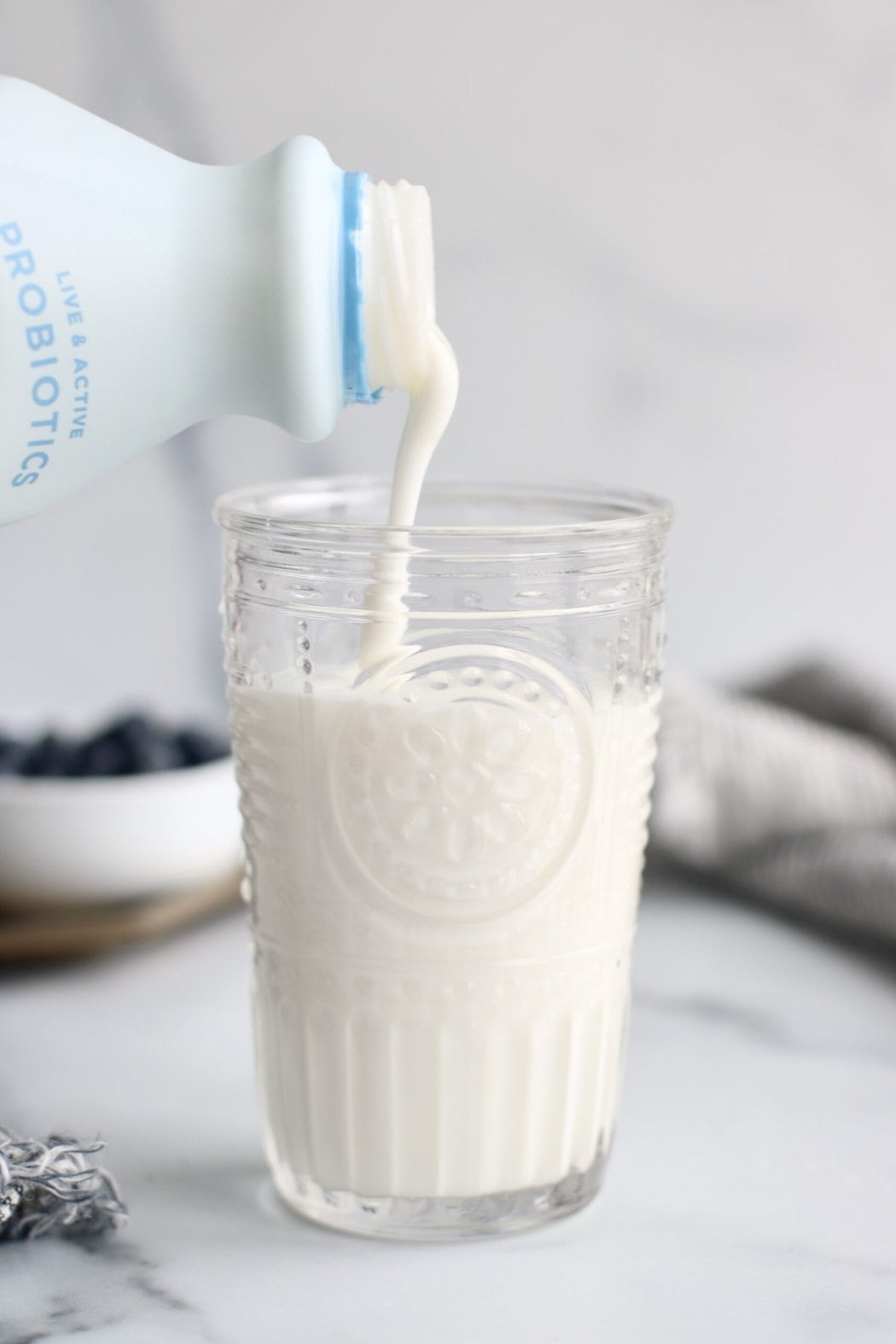
Bones and teeth are made up of calcium, so it’s an important mineral, and it only becomes more important during perimenopause. Calcium recommendations increase for women over 50 (from 1,000 mg per day to 1,200 mg per day). To keep my intake up, I rely on calcium-rich foods, like milk, Greek yogurt, kefir, and other foods rich in calcium. Long-term use of calcium supplements may increase heart disease risk in postmenopausal women, so I stick to food sources.
And calcium needs other vitamins to be most efficient in the body. Vitamin D helps my body absorb the calcium I’m getting from foods, and it works with calcium to build stronger bones. It also helps with my mood, muscle function, and immune health—all of which are important during perimenopause. I’m usually a proponent of getting my nutrients from real food first, but vitamin D can be tricky to get enough from foods alone. My body makes some in the sun, but less so during winter months. I got my labs done to know my vitamin D levels and better understand if I would need a vitamin D supplement, and turns out, I am a candidate for it.
Vitamin K also plays a role in calcium metabolism and supports bone remodeling. Foods with vitamin K include greens, soy beans, and fruits.
High-calcium foods include:
- Dairy products: yogurt, milk, cheese, cottage cheese, kefir
- Fortified plant milks
- Canned salmon and sardines (with bones)
- Green vegetables: kale, bok choy, and broccoli
- Fortified orange juice
Foods high in vitamin D are:
- Eggs
- Fatty fish
- Milk
- Fortified cereals
- Mushrooms exposed to UV light
Magnesium Is Important
Magnesium has hundreds of jobs in the body. It’s a little underappreciated for perimenopause, but it is a key mineral with many benefits. It helps with my blood sugar regulation, muscle function, blood pressure, and sleep. I know how important sleep is for health, and hormone changes can make it challenging to get enough during perimenopause.
Disrupted sleep is one of the biggest perimenopause symptoms. Changes in estrogen and progesterone can impact sleep quality and total hours of sleep. Magnesium helps with sleep by helping my body relax and regulating my circadian rhythm. I drink AGZ every night, which has magnesium along with other sleep-promoting ingredients, and I prioritized the lifestyle change of creating a consistent sleep routine and eating more of the best foods for sleep.
Fatigue is a common perimenopause symptom, but it’s often overlooked. And it’s not just lack of sleep that can make women feel tired. Energy metabolism is supported by magnesium, and it plays a role in energy production during exercise. Active women who feel tired may want to check their magnesium levels and focus on getting more magnesium-rich foods. Iron deficiency can also cause fatigue and might get overlooked during perimenopause. It’s a good idea to check levels and then chat with a healthcare provider about supplements if either magnesium or iron (or both) are low.
Magnesium also supports bone health, along with calcium and vitamin D. It’s a mineral that many people don’t eat enough of. Since digging into perimenopause nutrition more deeply, I try to include magnesium-rich foods daily.
Foods high in magnesium are:
- Seeds: pumpkin, chia, sunflower
- Nuts: almonds, peanuts, cashews
- Legumes: lentils, beans, chickpeas
- Whole grains: oatmeal, brown rice
- Green leafy vegetables

Foods To Limit Or Avoid
There are so many foods and nutrients that are important to eat during perimenopause, but there are also some categories of foods where it’s a good idea to limit or steer clear of for overall well-being during this stage.
- Refined carbohydrates and sugar: I love a good cookie as much as the next person, but sweets and other refined carbohydrates affect my blood sugar in ways they didn’t before. I don’t avoid them entirely, but I’m much more conscious of choosing complex carbs and limiting processed carb- and sugar-containing foods. And I aim to consume more of my carbs before and after workouts so that I’m using them for fuel during the workout and to replenish muscle glycogen stores after exercise.
- Alcohol: The occasional glass of wine and beer that I used to enjoy hits harder during perimenopause, and not in a good way. Alcohol can trigger hot flashes and night sweats. It also disrupts sleep and can increase anxiety, so I gave up alcohol completely about six years ago. Plus, alcohol adds excess calories to a time where weight management is already a little bit harder. I’m thankful that there are so many good zero-proof alternatives these days.
- Spicy foods: Not every perimenopausal woman reacts to spicy foods, but for some, spicy foods can trigger hot flashes.
- Caffeine: I love a good cup of coffee or matcha, but I do limit my intake. Later in the day caffeine can disrupt sleep and caffeine is linked with hot flashes, too.
- High-sodium foods: Too much sodium can increase water retention and bloating, especially as my estrogen levels fluctuate. During perimenopause heart health is top of my mind, so I like to keep an eye on sodium levels. And I know that 70 percent of sodium in most people’s diets comes from processed foods, so I do my best to stick to whole foods and cook at home where I can control the sodium in my foods more easily.
- Highly-processed foods: Many ultra-processed foods, like packaged snacks and baked goods, are low in nutrients and high in calories. They tend to be low in fiber and protein, too, while being high in added sugars, sodium, and refined carbohydrates … so they’re really the opposite of what I look for in my diet. When I do need something more convenient or on-the-go, I check labels and ingredients closely.
2-Day Sample Meal Plan
I know the information above can seem overwhelming, which is why I wanted to provide an idea of how I eat a perimenopause diet over a couple of days in order to get all of those important nutrients I listed. No day for me looks the same, but every day I focus on getting plenty of protein and fiber. I also aim to get antioxidant-rich foods, healthy fats, lots of vegetables, and plant-based proteins. I’m not a huge snacker, but if I do need something between meals I might grab a handful of nuts or have some Greek yogurt with fruit.
Day 1
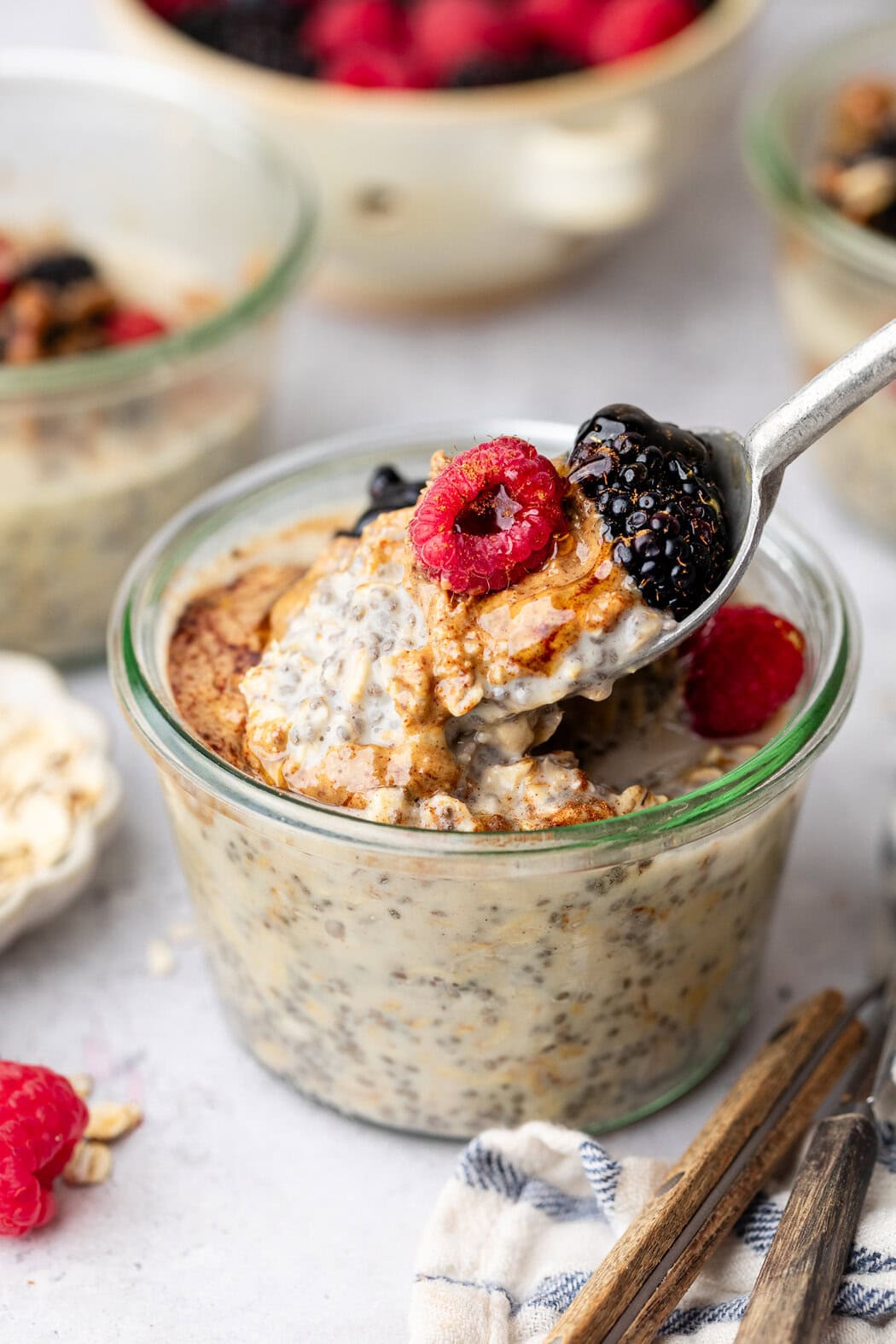
- Breakfast: Protein overnight oats topped with nut butter and fresh berries are a staple for me. It’s easy and has protein, fiber, phytonutrients, and healthy fats. I make these now with soy milk.
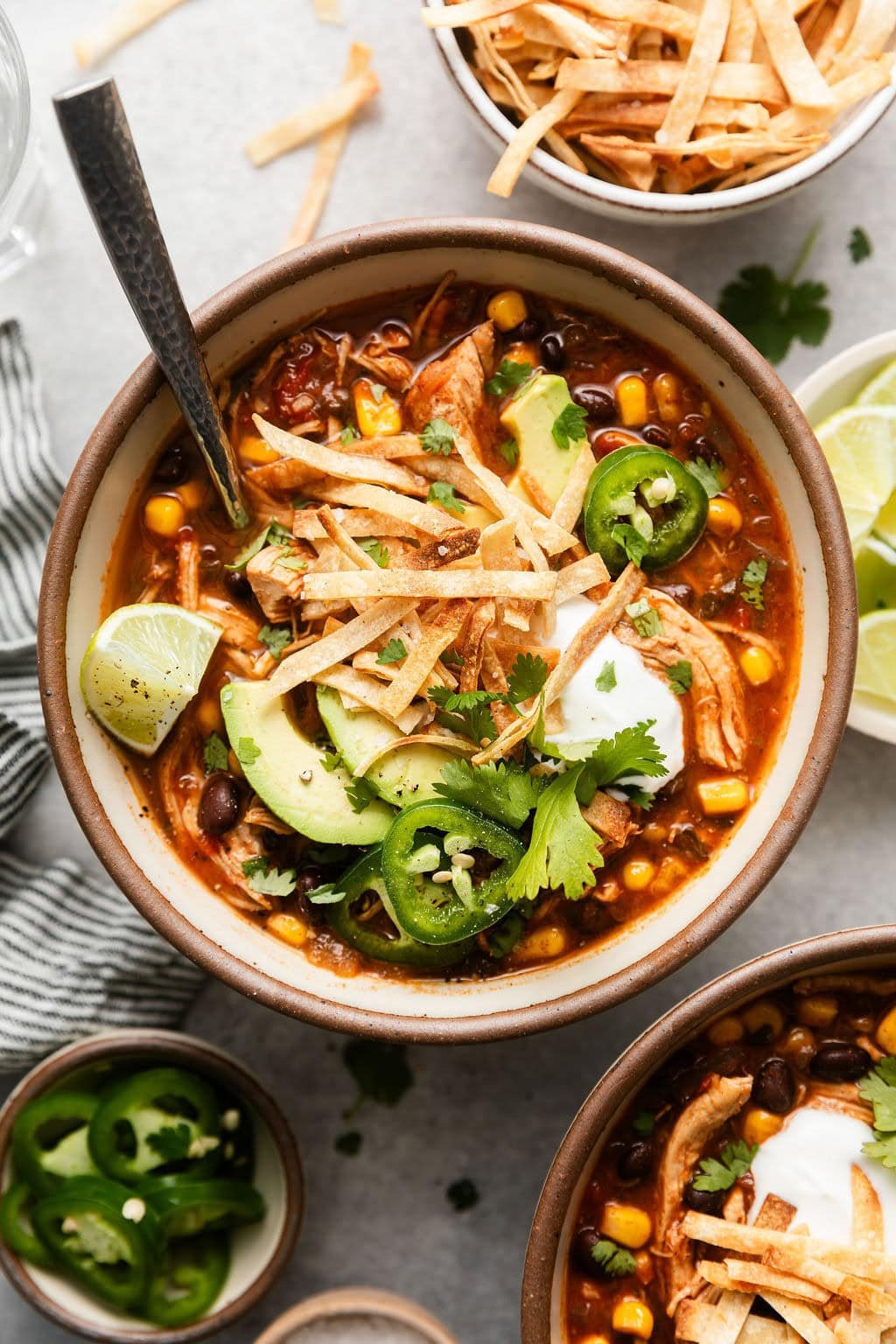
- Lunch: This chicken tortilla soup has plenty of protein and fiber to keep me full and energized, and it’s easy to prep and portion ahead of time.
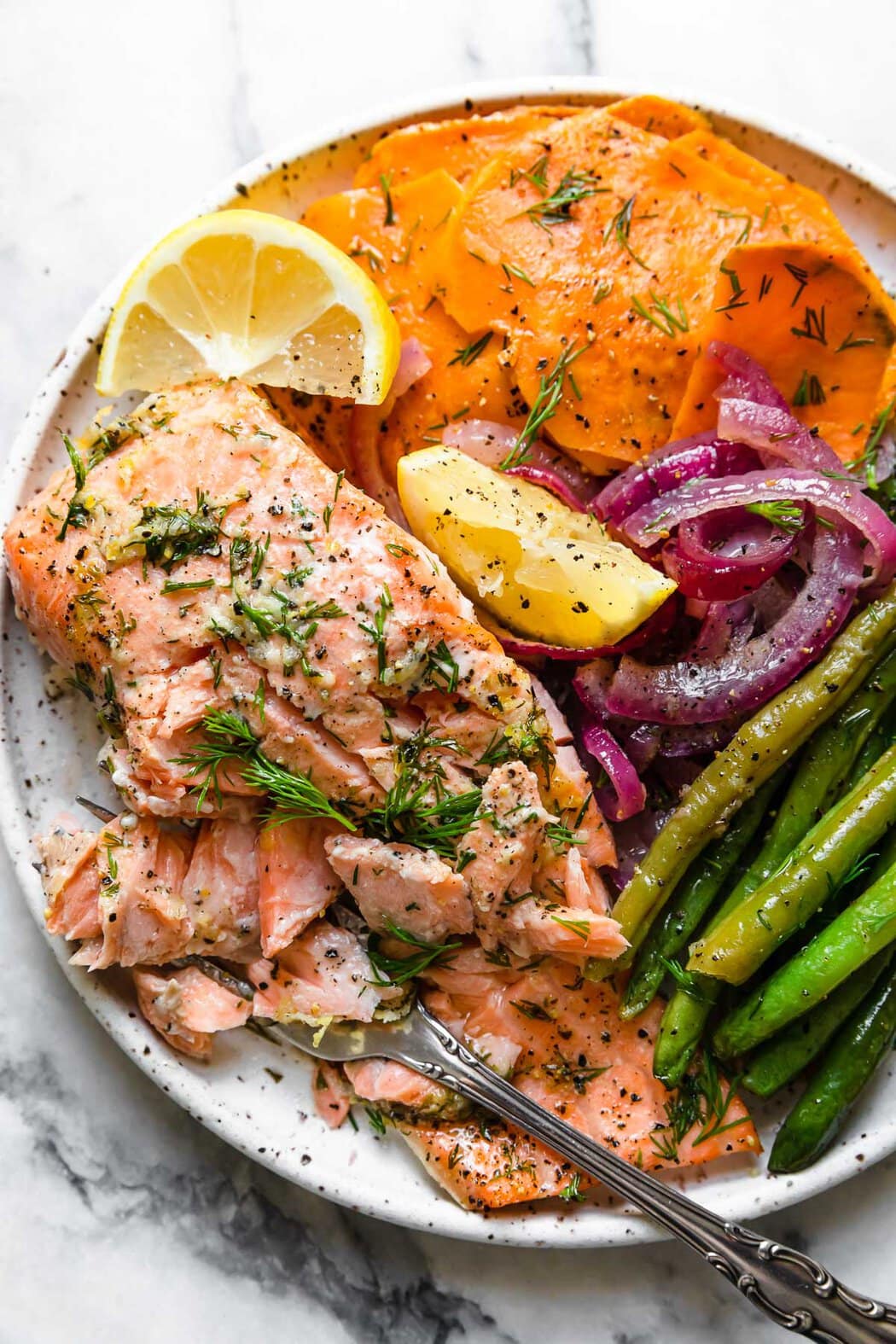
- Dinner: This roasted salmon and vegetables dinner is all made on one sheet pan and gives me a protein-, fiber-, and omega-3 boost.
Day 2
- Breakfast: A classic green smoothie made with soy milk with protein powder added is convenient and nourishing.
- Lunch: This Thai chicken salad with edamame is super-filling and great for meal prep lunches, plus it’s rich in isoflavones from the edamame.
- Dinner: This enchilada skillet dinner has plenty of protein from chicken and beans, along with healthy fats and fiber from the avocado.

Additional Tips From A Dietitian
- Stay consistent: There’s no perfect diet for perimenopause, but consistently focusing on foods that are better (not necessarily perfect, but better) does make a difference. It’s not a fad or quick fix, but something that takes consistent behavior. Small shifts in diet really do add up and can help relieve menopause symptoms.
- Talk to a doctor: Menopause hormone therapy (MHT) is a treatment that can make a big difference in symptoms. While lifestyle interventions such as diet, exercise, stress management, and sleep helped to reduce many of my symptoms, they didn’t alleviate all of them. I started MHT just over a year ago by chatting with a clinician through Midi health. That, in combination with diet and exercise, has been so helpful.
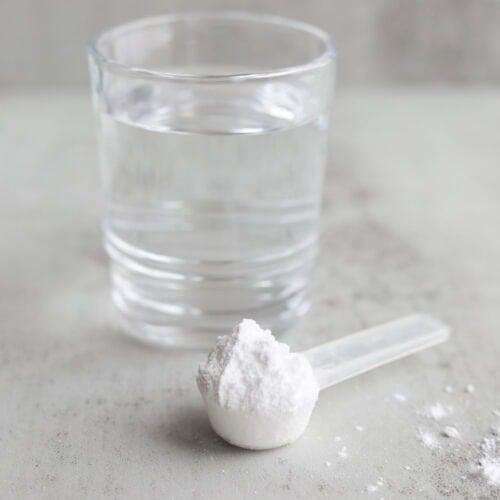
- Hydrate: Staying hydrated helps me feel my best. I often add electrolytes to water to help prevent dehydration and support my energy metabolism during this stage of life. I keep a water bottle close by and refill it a few times to make sure I drink enough water every day.
- Move your body: Protein alone does not build muscle. I strength train three times a week, with heavy weights, and add high-intensity and endurance cardio on my Peloton. I also added balance and mobility work and plyometrics into my training. I’ve always been active, but if you’re less so, just remember that any movement is better than none. Make a plan to start or add on to an exercise routine.
- Sleep: Diet impacts sleep, but it’s also affected by other things like screen use and stress. I do my best to get outside in the morning so I’m exposed to sunlight and I establish a consistent bedtime routine to maximize my sleep.
- Be patient: Perimenopause comes with a lot of changes. Some days are harder than others. Understanding more about what was happening in my body and learning how to help me feel better has been critical, but it hasn’t always been an easy journey. Patience, kindness, and having a community of understanding women (I’m looking at you, friends and teammates) goes a really long way.

Frequently Asked Questions
Physical activity can improve insulin sensitivity, support a healthy weight, benefit mood and sleep, and may reduce hot flashes. Hormone levels fluctuate during perimenopause, and movement won’t magically balance them or stop estrogen from decreasing. It supports health in many ways during the transition time into menopause and postmenopause.
Progesterone levels actually drop during perimenopause. Weight gain is influenced by the decrease in estrogen and the increase in insulin resistance. Another common symptom that can affect weight during perimenopause is sleep disturbances, which can increase appetite and a slower metabolism.


For ultimate success, we highly recommend reading the tips in the full blog post above. All photos and content are copyright protected. Please do not use our photos without prior written permission. If you wish to republish a recipe, please rewrite the recipe in your own unique words. Link back to the source recipe here on The Real Food Dietitians. Thank you!


What negative effects can too much soy have? And how much do you have to eat for that to happen? As an RD myself I find most people hardly eat soy to begin with.
Hi Talia – I think that a very reasonable intake for soy is 15-25g per day of soy protein (or 50-100mg isoflavones). Intake above that does not seem to provide significant benefits in terms of cholesterol reduction, reducing severity of hot flashes, etc. and very high intakes may disrupt hormone levels and/or interfere with thyroid function.
I find this amount to be approachable and it allows plenty of room for other protein sources such as lean meat, poultry, fish, seafood, eggs and dairy.
Thank you, thank you for sharing your journey and the information and suggestions for foods. This message resonates with me. I have been following your recipes and enjoy the emails. I read almost everything! Thanks again for all the tips and advice. It’s so appreciated!
You’re very welcome, Yvonne! I’m so happy to hear that this article resonated with you and that you are enjoying our recipes. I’m so glad you are here 🙂
Great article!!!
The sample 2 day meal plan is helpful. Could you include a 2-4 week meal plan for us peri/post menopause ladies?
Thank you.
Thanks for the feedback, Mil! We are always working on new things, so this is helpful!
This is such an informative and practical article. I appreciate how you highlighted the importance of balanced nutrition during perimenopause rather than focusing on restrictive diets. Prioritizing protein, fiber, and nutrient-rich foods can make a big difference in supporting overall health during hormonal changes. Thank you for sharing such valuable guidance for women navigating this stage of life!
We are so happy to hear this feedback!