I’m a dietitian, so I know that healthy eating can have an impact on all areas of my wellbeing, including my sleep. I’m also a Mom who gets woken up by little kids crawling into my bed with me. And I’m also at the age where I know my cortisol and other hormone fluctuations are probably sabotaging my sleep, as well. So fueling my body with the right foods and beverages to support sleep just feels like more of a priority than ever in my life.

From what I eat early in the day to my choice of evening snacks and drinks, there are key nutrients (like melatonin, tryptophan, and antioxidants) that research shows will support my goal of getting better sleep. I’ll also share the foods and drinks that are counterproductive to getting good rest and recovery, and the FAQs I get most often about food and sleep. While I don’t always clock a full 8 hours of perfectly uninterrupted sleep, I do see improvements when these beneficial foods are more prevalent in my meals.
Fruits
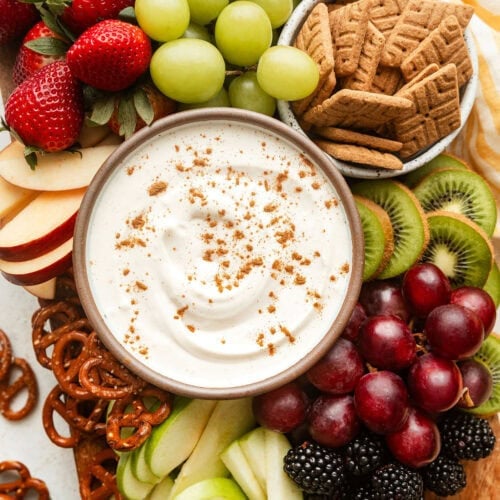
I love so many types of fruit because fruit just tastes so fresh and is packed with vitamins, minerals, and fiber. So it’s a double-win that certain fruits are also great choices for getting a good night of sleep.
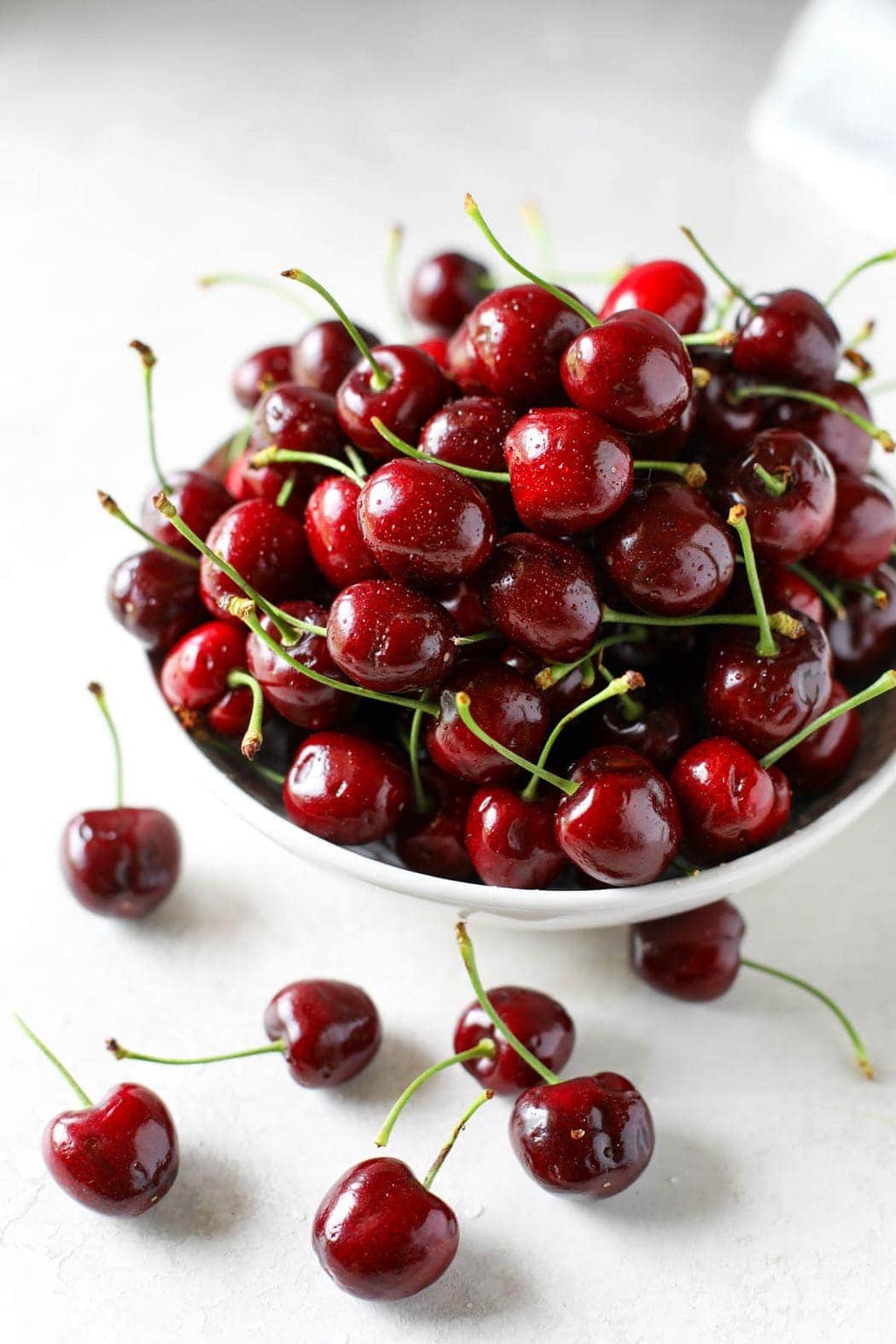
- Tart cherries: These may be the most well-known fruit for their sleep benefits, since cherries are a natural source of melatonin, which regulates the sleep-wake cycle, or circadian rhythm, in the body. And cherries have other health benefits, including being rich in fiber and antioxidants. Tart cherries also contain nutrients that help reduce inflammation and stress, which in turn, may promote better sleep. Studies also have linked drinking tart cherry juice with improved quality of sleep and longer sleep time.
- Kiwis: One study showed that eating two kiwifruit as a snack about one hour before bedtime helped athletes improve total sleep time and reduce the number of wake-ups through the night. Of course, snacking on a kiwi one time won’t stop my kids from sneaking into my room to wake me up, but kiwis do have natural melatonin and antioxidants, like vitamin C, that could support a good night’s sleep when eaten consistently.
- Bananas: This popular fruit has about 8% of the daily value for magnesium and 12% the daily value of potassium. Magnesium is a mineral that’s linked with better sleep quality and duration and potassium is a known muscle relaxant Bananas are also a natural source of tryptophan, an amino acid that helps the body make more natural serotonin and melatonin for better sleep.
- Berries: The sleep-promoting research isn’t as strong here, but I’ll take an excuse to get more nutritious berries in my day. They are high in antioxidants and are also a natural source of melatonin. Eating more berries may help improve my quality of sleep for those reasons. People who ate berries reported fewer sleep struggles, like short sleep, compared to non-berry eaters.
Nuts And Seeds
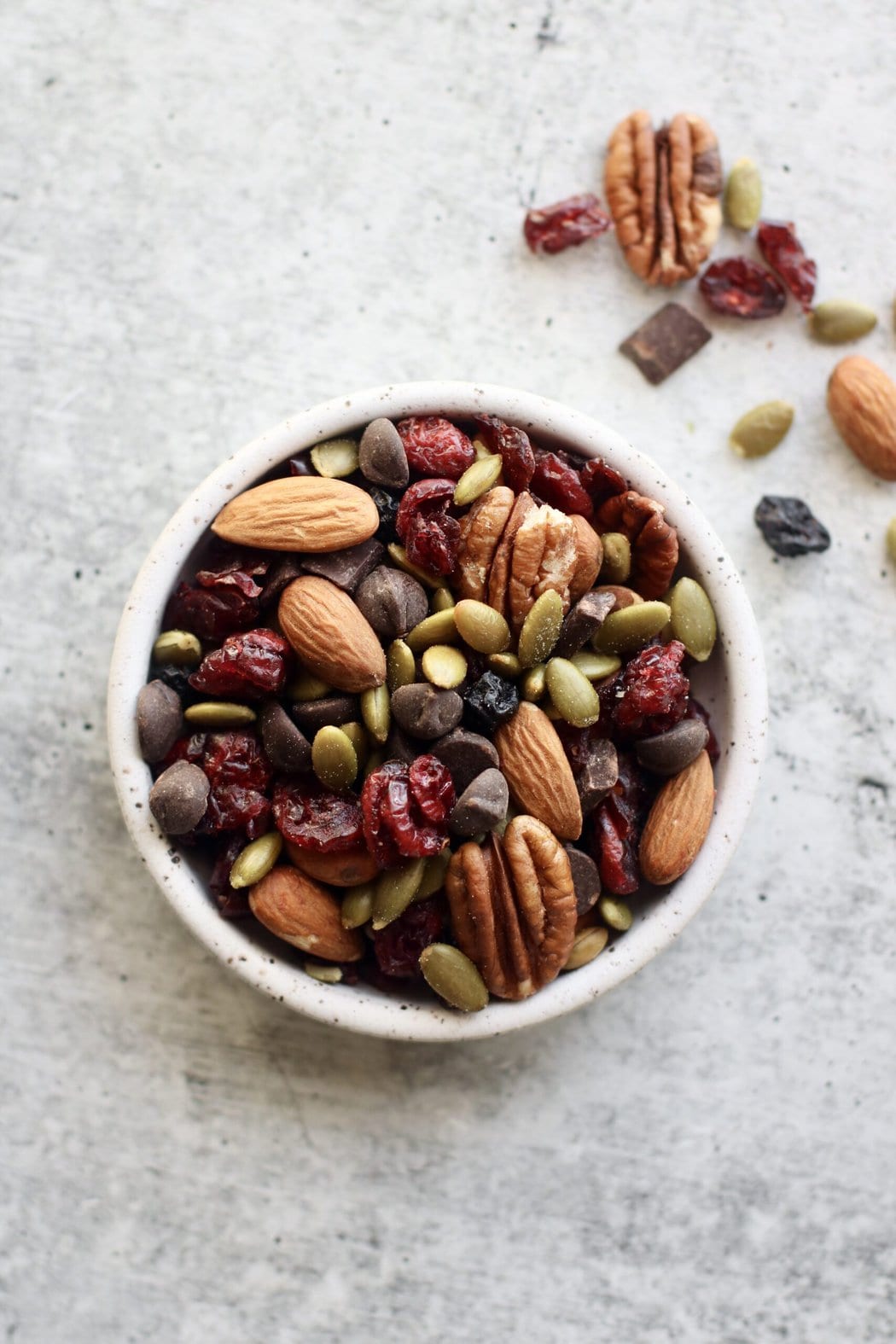
I’m frequently snacking on nuts and seeds since they’re tasty, rich in healthy fats, and have some protein and fiber as well. And their nutrients might also help me catch some zzz’s if I snack on them before bed. Nuts and seeds tend to have high levels of magnesium, with pumpkin seeds delivering 37% of the daily value and almonds 19%.
Nuts and seeds, like walnuts and pistachios, are also a natural source of melatonin. One study found eating walnuts with dinner helped people sleep better at night and feel less sleepy during the day. I take this as a good reminder to incorporate nuts into my snack on those afternoons when my energy levels are struggling a bit.
Lean Protein
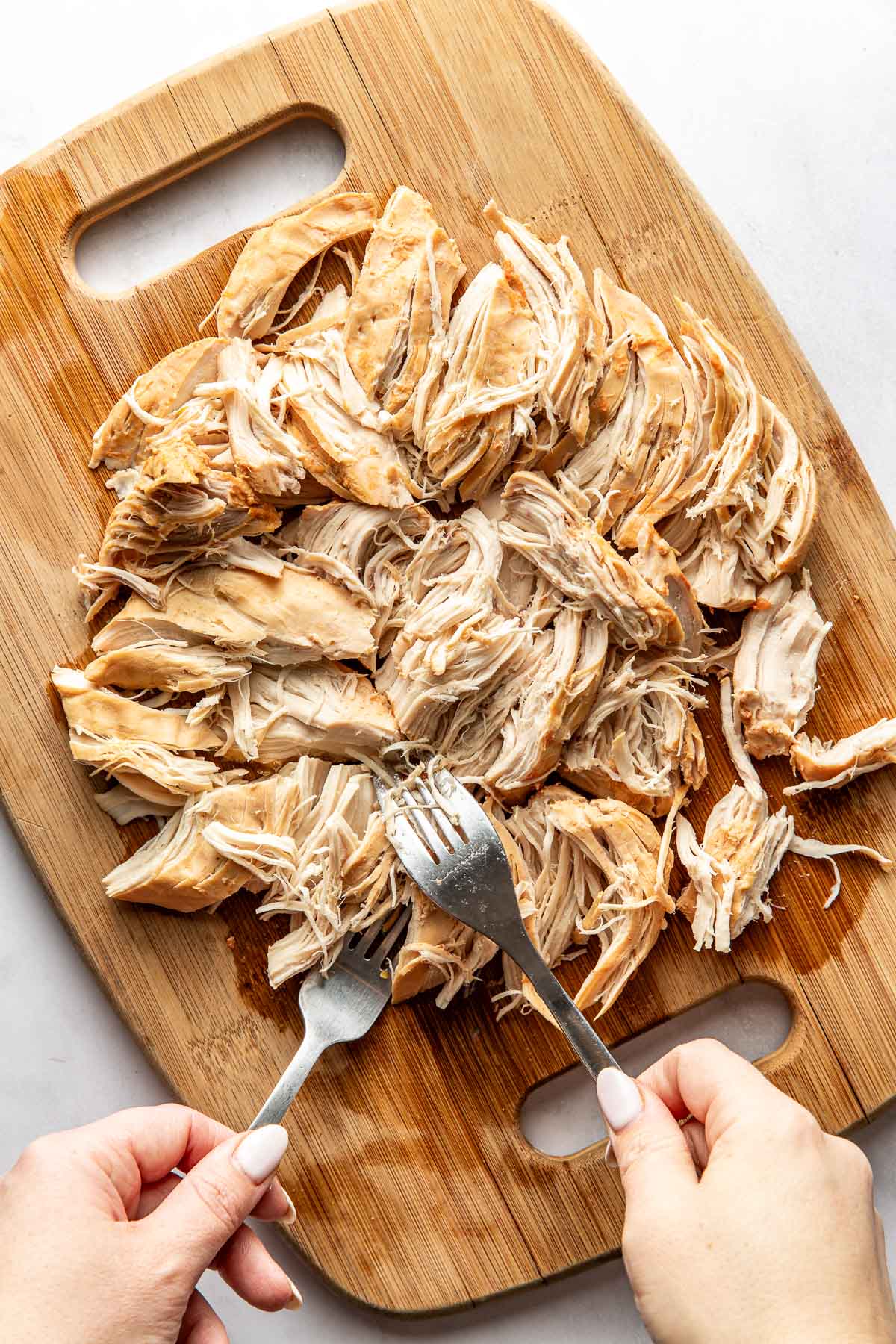
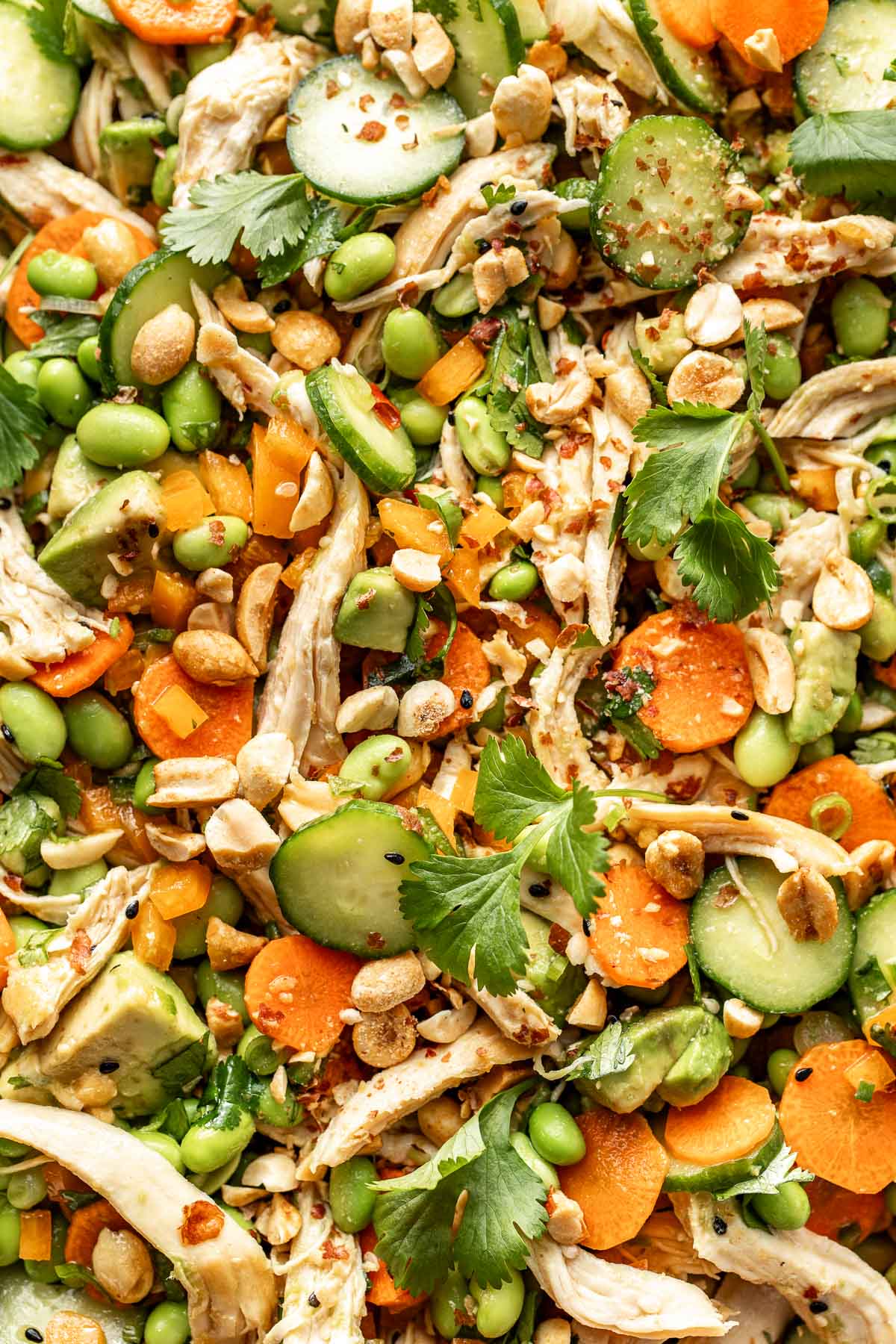
There are a few reasons I focus on eating some protein in my last meal before bed. One is to make sure I’ve hit my protein goals for the day, and the others have to do with sleep. Protein-rich foods contain the amino acid tryptophan, a precursor to melatonin and serotonin, to promote sleepiness.
When researchers looked at people who slept for more than 7 hours, they ate more protein than people who got less sleep every night. Protein helps with sleep duration, as well as reducing night wake-ups and sleep onset, meaning it may help me fall asleep faster.
I can easily get some protein-rich foods with tryptophan in at dinner that includes:
Other protein options include soybeans, or tofu, and legumes, like black beans or lentils. For an evening protein-packed snack, I might choose an ounce of cheese with whole-grain crackers, ⅓ cup cottage cheese or Greek yogurt with berries, or a hard-boiled egg.

Complex Carbs
From the brain fog and lethargic muscles I feel on the days after I don’t sleep well, I know that sleep is key to restoring both my body and brain. The brain acts like a control center for sleep. It manages sleep and wake cycles, tells the body to relax, and even powers dreams. So my brain uses a lot of energy! In fact, it takes up 20% of my resting metabolism—and its preferred fuel is carbohydrates. So it makes sense that carbs in the diet have some effect on sleep. Changes in blood sugar levels can impact the glucose-sensing neurons in the hypothalamus, which are tied to the sleep-wake cycle, and can alter the type of sleep I get.
But the types of carbohydrates really matter here. Eating sugary foods and sources of refined carbs before bed may cause more wake-ups during the night and lower sleep quality. Complex carbohydrates, on the other hand (like fruits, vegetables, and whole grains), can help improve sleep. Researchers aren’t quite sure why, but think it has to do with their role in tryptophan uptake, fluctuations in blood glucose, inflammation levels, and even changes in gut bacteria.
As an example, oats can go beyond breakfast, and I’ve been known to grab a monster cookie protein ball for a healthier sweet treat in the evening. I also add complex carbs to my dinner plate to support sleep, like quinoa, brown rice, and nutrient-rich sweet potatoes.

Dairy Products
My Grandma used to enjoy a glass of warm milk before bed saying it helped her relax, and it turns out there’s some science to back that up. Dairy foods, like milk, yogurt, and cheese, are a natural source of potassium and tryptophan to help promote sleep. It doesn’t have to be consumed right before bed, however. Simply including more dairy foods as part of a well-balanced diet is linked with better sleep. When researchers looked at studies on milk’s impact on sleep, they found that eating dairy is associated with improved quality of sleep.
While I don’t share my Grandma’s love of warm milk, but I do sometimes enjoy a decaf latte in the afternoon or a yogurt-based popsicle with berries for dessert. It’s just a bonus knowing they may help me avoid poor sleep.
Veggies, Leafy Greens, And Healthy Fats
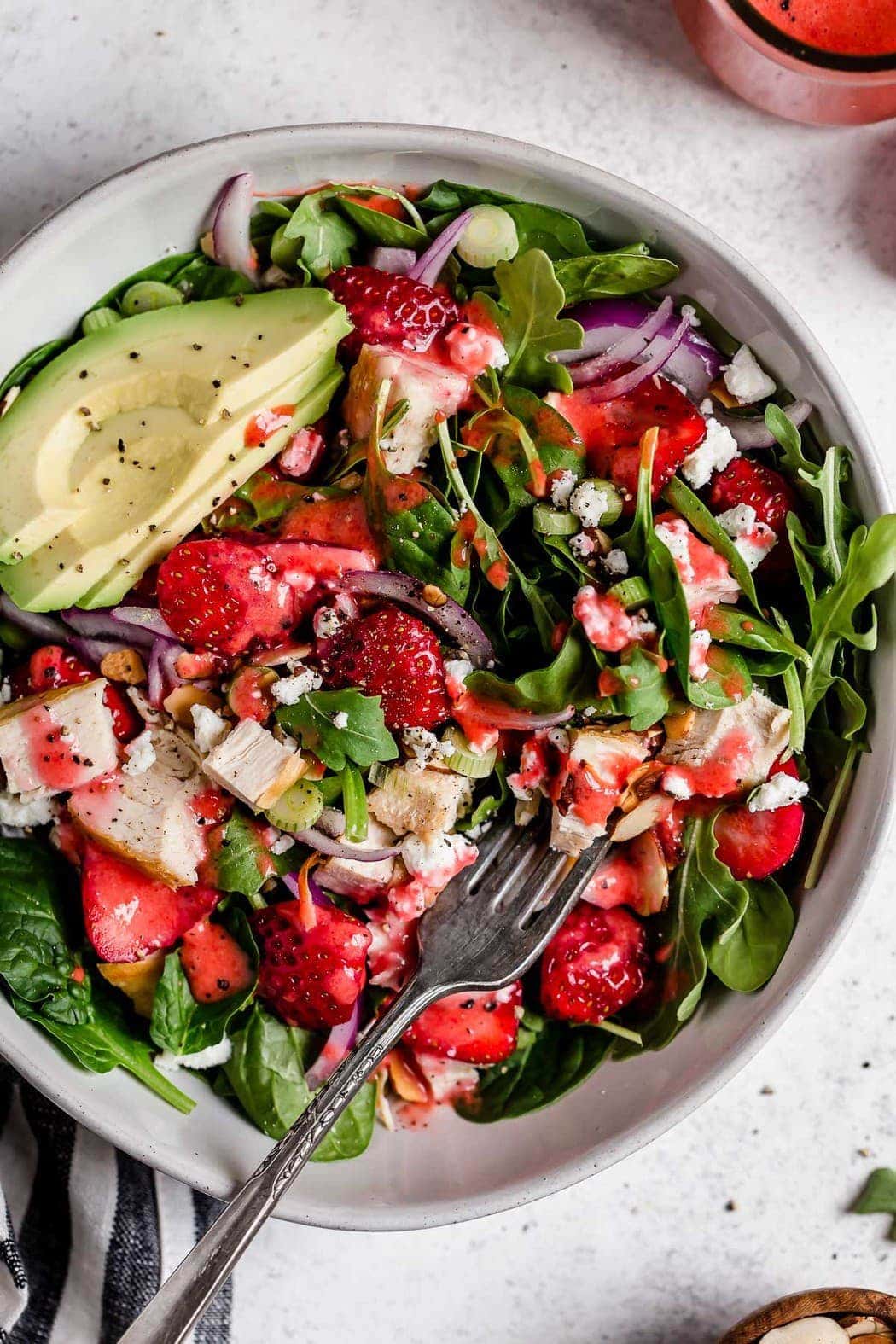
Like most people, I’ve always known how important vegetables are for my health. But it wasn’t until recently that I learned veggies are beneficial for sleep, too. A recent study found that people who ate lots of produce during the day had more uninterrupted sleep at night and better sleep quality. Vegetables are rich in many nutrients and antioxidants that have been linked to reduced inflammation and better sleep. Most veggies are rich in magnesium and potassium, two key minerals that play a role in sleep.
- Avocados: They’re rich in healthy fats and antioxidants, and one study showed that eating one avocado a day helped sleep health scores improve.
- Dark leafy greens: Kale, spinach, arugula, and other leafy greens are especially rich in magnesium, fiber, and antioxidants. I include these often in my meal planning.
All veggies deliver important nutrients, so I aim to eat a variety of them every day for an overall healthier diet and better sleep.

Calming Beverages
It’s easy to forget that drinks can be a source of nutrients that play a role in sleep. Studies show that some good choices are:
- Chamomile tea: It’s a soothing bedtime beverage that can help reduce wakeups at night.
- Warm milk: A calming drink to try before bed that delivers potassium and tryptophan.
- Valerian root tea: This ingredient is often found in sleep or bedtime blends of tea. It’s a root that might help with falling asleep faster and improving sleep quality.
- Tart cherry juice: Because of the natural melatonin and antioxidants, enjoying a consistent small glass could help with getting better sleep.

Foods And Drinks To Avoid Before Bed
In know from both research and personal experience that some foods and drinks have a negative impact on sleep, and I try to avoid them in the afternoon and evening.
- Added sugar and refined carbohydrates: Their impact on blood sugar levels can lead to worse sleep. I try to limit foods like white rice and sugary foods, like cookies and brownies, in my diet, especially within the 2 hours before bed.
- Alcohol: Even though I sometimes feel sleepy after drinking a glass of wine, alcohol actually disrupts a good night of sleep. Because alcohol provides little nutrition and can be a detriment to a good night’s rest, I choose to limit it, especially close to bedtime.
- Caffeine: As for many people, drinking coffee and matcha are daily rituals for me in the morning. They help me wake up, focus, and feel settled, but I stop drinking them around noon and definitely limit them in the evening since caffeine is a stimulant. One study showed that people who drank 400 mg of caffeine (about 4 cups of coffee) within 6 hours before bed lost more than an hour of sleep. Although some people are more sensitive to caffeine than others, it’s a good idea to avoid black and green tea, coffee, dark chocolate, and energy drinks with caffeine after lunch.
- Spicy foods: Eating spicy foods may cause acid reflux or indigestion. Heartburn symptoms often get worse while lying down, which can make it more difficult to sleep.
- High-fat meals: Heavy and rich dinners that are high in saturated fat and low in fiber (think fried foods and decadent restaurant meals) may have a relaxing and sleep-inducing effect initially, but they can be the cause of more wakeups at night and less deep sleep.
Frequently Asked Questions
Magnesium, either as a natural component of some foods or as a supplement, has been shown to improve sleep quality by helping to regulate the body’s circadian rhythm. The magnesium supplement that I (and the dietitians I work with) use the most is Puori magnesium complex.
Food contains many sleep beneficial nutrients, such as natural melatonin, tryptophan, and magnesium, that are key for improving sleep. If getting those nutrients consistently through food is hard, sleep aid supplements might be a good choice, too.
Keep a sleep schedule by going to bed and waking up around the same time each day. Also, going outside in the morning and getting exposure to natural sunlight helps the body increase melatonin and serotonin levels (sleep aid hormones) in the evening. Limiting screen time and exposure to blue light in the 2-3 hours before bed is a good move, too. Many studies show that blue light exposure reduces melatonin production and promotes awakeness. Instead of digital scrolling at night, read a physical book, journal, work on a puzzle, or listen to a meditation.
Try not to go to bed super hungry or absolutely stuffed. The sweet spot for stopping eating is usually 2-3 hours before bed, to allow time for digestion and so your liver isn’t overloaded, which can be a common cause of mid-night wakeups.
The Bottom Line
The foods and drinks we eat can be beneficial or detrimental to getting good sleep. If sleep improvement is a priority, focus on eating more of the foods and beverages from this list. Also, certain habits, like having a sleep schedule, limiting screen time and blue light exposure before bed, and taking a morning walk, can make a positive difference. As a Mom who knows what interrupted sleep feels like, thanks to kids and hormones, I do my best to eat healthy sleep-promoting foods like oatmeal, tart cherries, and avocados. I also limit alcohol, caffeine, foods high in added sugar, high-fat meals, and spicy foods too close to bedtime. Sleep is so important for our well-being, and it’s nice to know that there are so many foods that can help us get that all-important rest.
More Wellness And Nutrition Guides



For ultimate success, we highly recommend reading the tips in the full blog post above. All photos and content are copyright protected. Please do not use our photos without prior written permission. If you wish to republish a recipe, please rewrite the recipe in your own unique words. Link back to the source recipe here on The Real Food Dietitians. Thank you!