
A diabetic diet is an eating plan that nourishes the body with healthy foods while also keeping blood sugar (also known as blood glucose) levels stable. A key component of a diabetic diet is managing a macronutrient called carbohydrate. A person with diabetes needs to have enough—but not too many—carbohydrates in a day.
Being prescribed a diabetic diet is a nutritional therapy for someone diagnosed with type 2 diabetes, prediabetes, or gestational diabetes. It requires a diligent balancing of macronutrients (carbs, proteins, and fats) in an effort to get more stable blood sugars (fewer dramatic rises and drops in blood glucose), have better energy, and lower the risk of further complications related to this chronic disease.
Many years before I joined The Real Food Dietitians, I was the Senior Nutrition Editor and Registered Dietitian for Diabetic Living magazine. In that role, I learned so much more about diabetes management and diabetic diets, having access to the nation’s best diabetes experts, including endocrinologists, registered dietitians, Certified Diabetes Educators (CDEs), and the American Diabetes Association. My father was also diagnosed with type 2 diabetes about 15 years ago, and I was able to learn even more about diabetes from his experience of managing his A1c (a lab test that shows average blood glucose over 3 months) through diet and lifestyle.
I’ll share this wisdom and encouragement with you, and explain the foods and drinks that are recommended on a diabetes diet and why, as well as the benefits of sticking to the plan.
Key Aspects Of A Diabetic-Friendly Diet
Planning meals and snacks after a diagnosis of diabetes can feel overwhelming. This new way of eating is similar to—but isn’t the exact same thing—as eating a general healthy diet. But, with practice and time, managing blood sugars does get easier.
A diabetic diet differs from a general healthy eating plan in that it is more strict around carb intake and meal timing so that blood sugars stay as stable as possible.
There are a few key food-related factors that impact a person’s blood sugars. The first is based on the balance between carbohydrates, fiber, proteins, and fats. The second is based on what kind of carbohydrates are on the plate. A third factor is how meals and snacks are spaced throughout the day. And a fourth factor is hydration, as water intake is an important piece of the puzzle.
I’ll explain each of these factors one at a time.
Macronutrient Balance
Carbohydrates are not the only thing that raise blood sugar, but they do raise it more than any other nutrient. When managing diabetes, it’s important to understand carbohydrates. Carbohydrates are not a type of food, but they are a main nutrient in foods. They are found in higher amounts in foods like sweets, sugary drinks, grains and grain-based foods (like bread and pasta), beans and legumes, and fruits.
Just because these foods contain higher amounts of carbohydrate than other foods it doesn’t mean they are bad or off limits. Even with diabetes, it’s essential for the body to get some carbohydrates every day in order to have energy and complete everyday tasks like walking, thinking, and communicating. So, with a diagnosis of diabetes or prediabetes, it’s important to know which foods contain significant carbohydrates and how many carbs are in a serving.
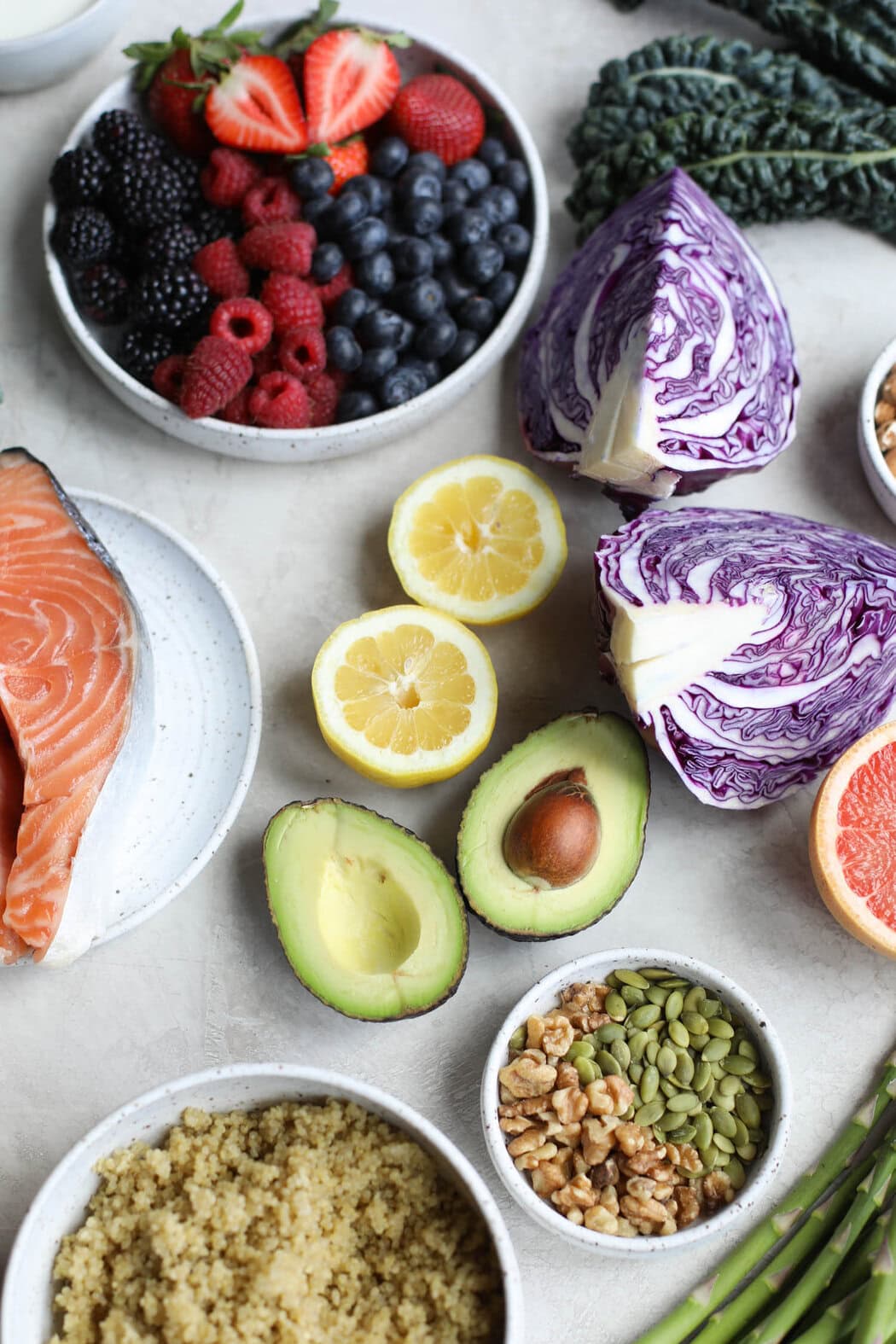
When carbs are eaten alongside foods that also contain fiber, heart-healthy fats, and foods with protein, they have less of an immediate impact on blood sugar. This is called a macronutrient balance.
A simple way to visualize a macronutrient balance on the plate is with a dietitian-created strategy called The Plate Method.
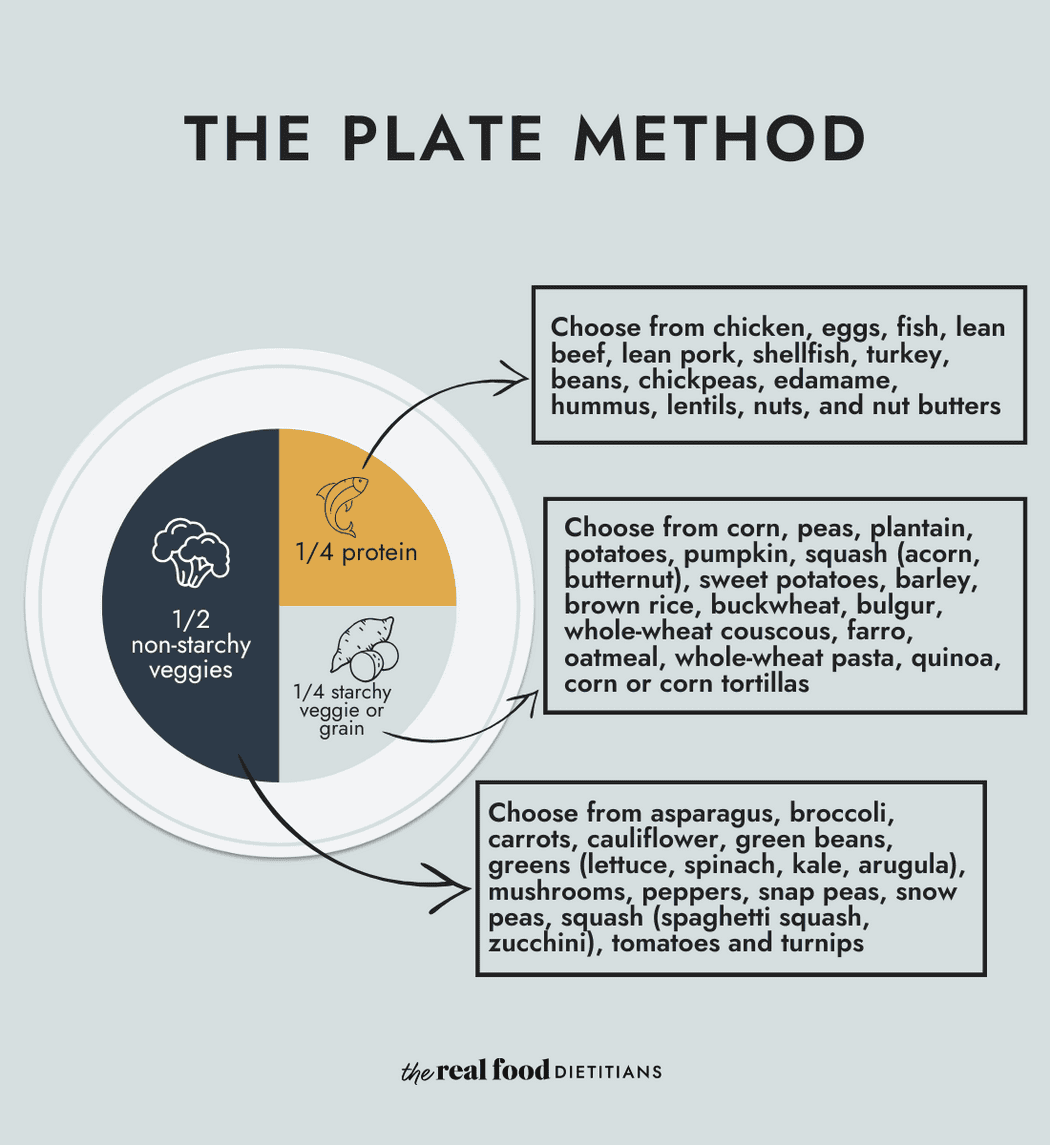
The Plate Method is a visual eating method that can help people with diabetes compose nutritious low-carb dinners at a glance, no measuring or counting needed. Here are the basics:
- Start with a 9-inch plate
- Visually divide the plate into quadrants
- Fill 1⁄2 the plate (2 quadrants) with non-starchy vegetables
- Fill 1⁄4 of the plate (1 quadrant) with protein
- Fill 1⁄4 of the plate (1 quadrant) with a starchy vegetable or grain
What might this look like in practice? One dinner example is to enjoy a plate that is ¼ filled with teriyaki chicken, ¼ filled with brown rice, and ½ filled with a stir-fry of low-carb veggies, such as broccoli, peppers, and onions.

Glycemic Index And Glycemic Load
While any carbohydrates in foods will raise blood sugar, they don’t always cause the same response. One way to better predict how foods will impact blood sugar is to consider the Glycemic Index and the Glycemic Load.
The Glycemic Index is a measure of how much a portion of a food will raise or “spike” your blood sugar. The glycemic index compares how quickly a single 50 g carb serving of a certain food raises blood sugar as compared to 50 grams of pure sugar (aka pure glucose). Foods that cause a quick spike in blood sugar have a high Glycemic Index, a rating of 70 or higher. These include many types of crackers, breakfast cereal, white bread, and bagels, for example. Foods that cause a slower jump in blood sugar have a lower Glycemic Index, a rating of 55 or lower. Most often, these are foods like veggies, beans, oats, and whole-grain bread.
The Glycemic Load offers a bit more information to understand the body’s response to carb-rich foods. The Glycemic Load takes into account both the Glycemic Index of a food as well as a typical portion size, which may be more or less than a 50 g carb serving of that food. For example, raw carrots have a higher Glycemic Index than many other veggies. Because of that, it is a common myth that they aren’t a healthy choice for people with diabetes. But it’s not common for someone to eat a 50 gram carbohydrate amount of carrots in one sitting, which would be about 9 full size carrots. But when a typical intake of 1 to 2 full-size carrots is considered, they have a low and reasonable Glycemic Load, making them a nourishing veggie to eat, even on a diabetes diet.
Portion Awareness And Meal Timing
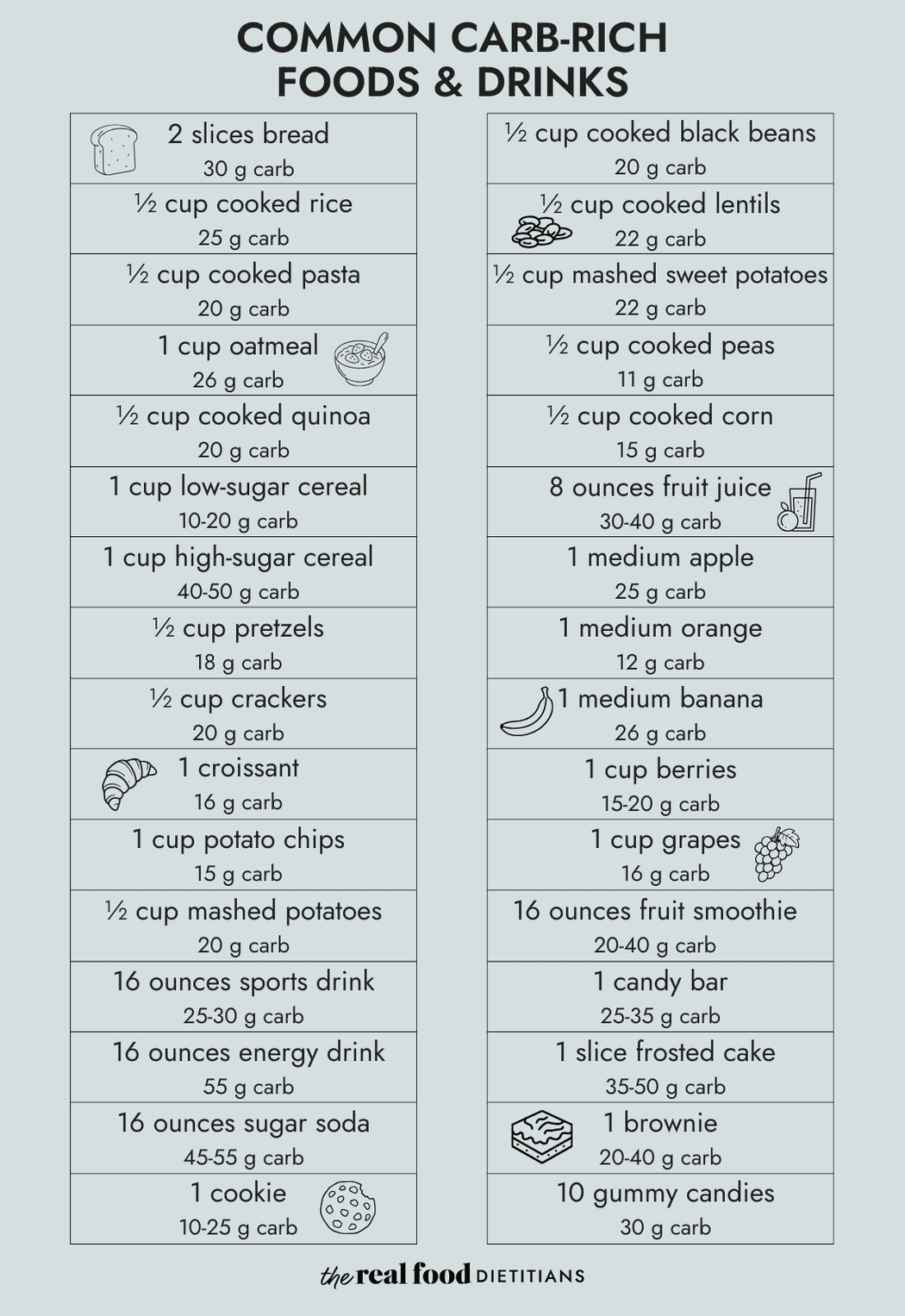
As mentioned above, not only is it important to learn which foods have higher amounts of carbohydrates, but it’s also good to start to recognize what a standard portion of those foods looks like.
For example, when you learn that mashed potatoes are a carb-rich food, it’s also good to learn that ½ cup of mashed potatoes contains 20 grams of carb (so then you’d know that 1 cup contains 40 grams of carb). That way you can make a decision about how much mashed potatoes you’re going to eat based on your other food choices and health goals.
Blood sugars rise and fall throughout the day, so in order to prevent them from dropping too low or rising too high, it’s recommended to eat portioned meals and snacks spaced evenly throughout the day. Over time, as you get more consistent with the timing of meals and snacks, this becomes more of a rhythm.

Proper Hydration
Everyone should be diligent about getting enough daily water, but this is even more important for people with diabetes. Being hydrated is an important tool for managing blood sugar, as it reduces insulin resistance, helping the body’s cells use glucose more efficiently. Also, being properly hydrated can help the kidneys flush out excess sugar and it can support the effectiveness of medications.
Unfortunately, having high blood glucose can cause more frequent urination, so people with diabetes are at higher risk of dehydration, creating a vicious cycle of inadequate water intake.
Interestingly, a meta-analysis of studies found that higher intake of water was correlated with a reduced risk of diabetes in both men and women, whereas a lower water intake is associated with hyperglycemia (consistently high high blood sugars).

Benefits
At first, it may seem like following a diabetic diet is overwhelming and gloomy. It may involve cutting out or cutting back on favorite foods, overhauling your pantry and fridge, and paying more attention to foods and portions. While those things can be hard, it’s helpful to focus on why following a diabetic diet has positive outcomes. Those who embrace it often notice health benefits like:
- Weight loss
- More energy
- Better sleep
- Increased mood
- Less pain and aches
Also, having blood sugars that are consistently too high is a common reason that inflammation develops in the body. And chronic inflammation is a major risk factor for other complications and serious conditions in people with diabetes, including heart disease, high blood pressure, kidney disease, nerve damage, vision problems, and dental issues.

Foods And Drinks To Eat
The following food categories are nutritious choices and should be the basis for most meals eaten when following a diabetic diet.
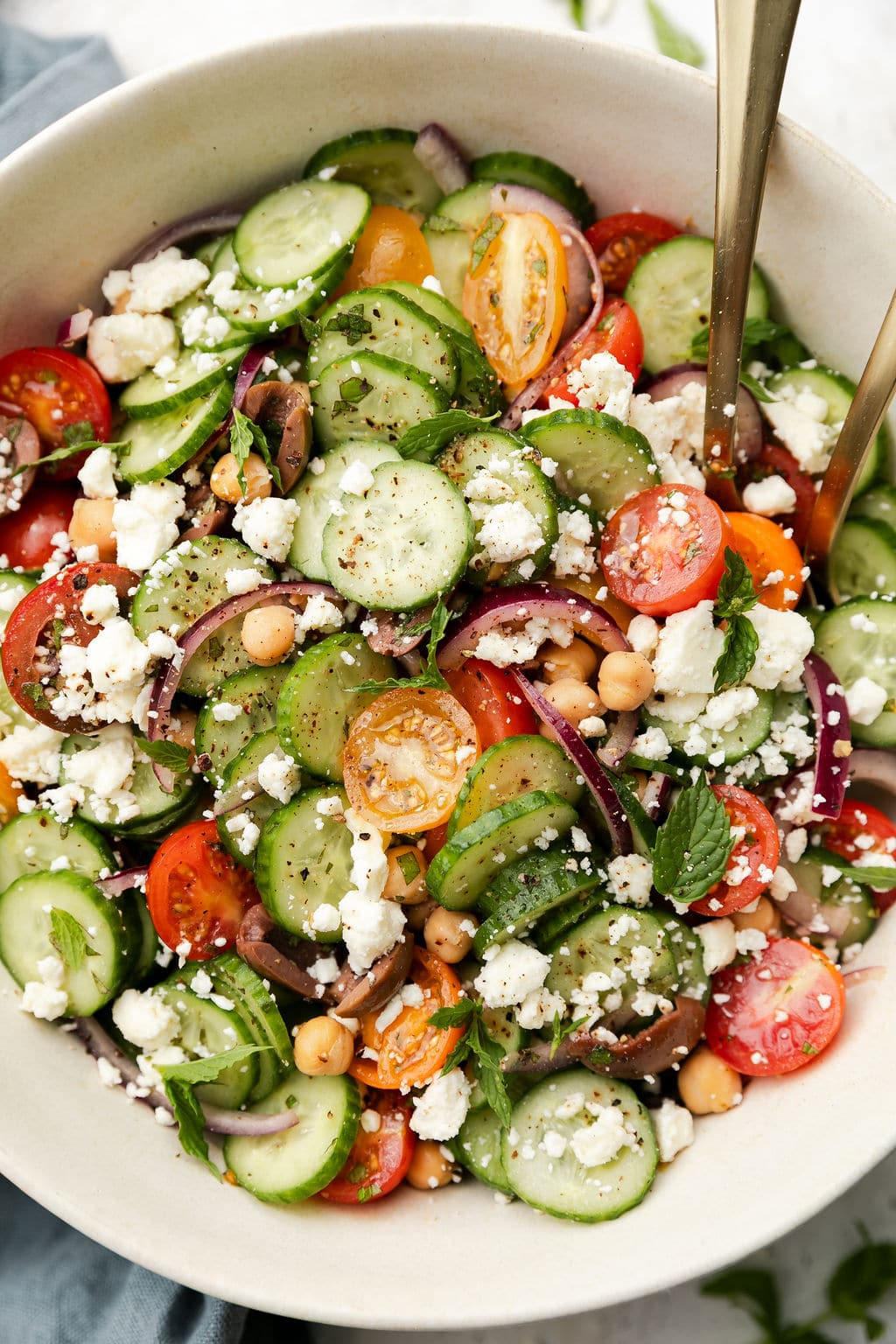
- Non-starchy vegetables. These lower-carb veggies don’t have a big impact on blood sugars. They offer fiber, as well as many vitamins, minerals, antioxidants, and phytochemicals, and they can provide more satisfaction from meals. Non-starchy vegetables include asparagus, broccoli, carrots, cauliflower, cucumbers, green beans, leafy greens (lettuce, spinach, kale, arugula), mushrooms, peppers, snap peas, snow peas, some squash (spaghetti squash, yellow squash, and zucchini), tomatoes, and turnips.
- Lean meats and other protein foods are what the body uses to build new muscle tissue and repair daily wear and tear. When eaten along with carb-rich foods, proteins can help slow digestion and stabilize blood sugars after meals. For long-term heart health, people with diabetes should choose lean protein foods that aren’t high in saturated fat or trans fat. Some good protein choices are chicken, turkey, leaf beef, lean pork, eggs, fish and shellfish, eggs, chickpeas, soy beans, hummus, lentils, nuts and nut butters, and low-fat dairy products, including cottage cheese and Greek yogurt.
- Whole grains do contain carbohydrates, but they’re also a good source of fiber and some protein, which helps slow down the blood sugar response. Just be mindful of serving size and pair with an additional protein source. Whole grains include oats and oatmeal, whole grain bread and whole grain pasta, quinoa, farro, corn and corn tortillas, and barley.
- Healthy fats are important for brain and heart health, to help the body absorb certain nutrients, for hormone health, feeling satiated from meals, providing energy, protecting organs, and to help stabilize blood sugar. Examples of healthy fats include avocado and avocado oil; olives and olive oil; nuts like almonds, peanuts, walnuts, and cashews; nut butters like peanut butter, almond butter, and tahini; seeds like pepitas, hemp hearts, flax, and chia; and fatty fish like salmon, tuna, and mackerel. These foods are higher in monounsaturated and polyunsaturated fats and lower in saturated fats to help support a healthy heart and blood vessels.
- Beans and starchy vegetables are similar to whole grains in that they contain carbs, but they also provide fiber, protein, vitamins, and minerals. This combination of nutrients blunts the rise in blood sugar after a meal. Examples of beans and legumes are black beans, pinto beans, white beans, lentils, chickpeas, and edamame. Examples of starchy vegetables are potatoes, sweet potatoes, corn, peas, plantain, pumpkin, and some squash (like acorn squash, butternut squash, and delicata squash).
- Fruit is another carbohydrate food that also provides important nutrients like fiber, vitamin C, and potassium. So, when eaten in small portions, they can be a healthful addition to a diabetic diet. Fruits include everything from apples, pears, and oranges to a variety of berries, peaches, grapes, kiwis, and more.
- Water and other fluids are important for optimal hydration, but pick wisely in this category. Drinks should provide hydration without adding sugars. Choose water most often, but other drinks can fit, including milk, coffee, and tea (without added sugars), and drinks with natural zero-calorie sweeteners (such as stevia, allulose, or monk fruit) in conscious moderation.
What To Limit Or Avoid
The following food categories can have a negative impact on blood sugar and diabetes management when consumed in excess.
- High-sugar drinks include beverages like regular soda, juice, sweet tea, and energy drinks. For people with diabetes, these sugary drinks can raise blood sugar very high, very quickly. Except for when used as treatment for a low blood sugar episode, it’s recommended to avoid these kinds of drinks completely.
- Refined, high-glycemic carbohydrates such as pastries and baked goods, white rice, white bread, and refined pasta can quickly raise blood sugar. When possible, choose the higher-fiber version (such as whole wheat bread) and pair a smaller amount of these foods with sources of protein and fiber. Save pastries and baked goods for an occasional treat.
- Fried foods and ultra-processed foods tend to be high in saturated fat and sodium while being low in key nutrients like fiber and protein. In general, focus on less processed foods, such as having a small baked potato instead of a large serving of fries.
- Saturated and trans-fats increase the risk of heart disease and raise cholesterol. While trans fats are no longer allowed to be added to packaged foods, they can still be formed when foods are fried or artificially hydrogenated. To cut back on these fats, limit the use of butter, full-fat cheeses, tropical oils, processed snacks, fried foods, fast foods, and baked goods.
- Very high-sodium foods such as canned soups, packaged ramen, fast foods, and processed snacks can have high levels of sodium, especially for their portion size, which puts people with diabetes at higher risk for heart complications. Food companies and restaurants use far more salt than you’d ever add to foods when seasoning them in your own kitchen. Pick low-sodium versions of canned foods, limit frozen and packaged meals, and use lower-sodium condiments.
- Excessive alcohol can put blood sugars on a roller coaster ride, especially if consumed while also taking blood sugar-lowering medication (such as metformin, insulin, or sulfonylureas). If you choose to drink alcohol, aim for options with the lowest carbs and drink only one serving along with food and a glass of water.



Sample 1-Day Meal Plan
This sample meal plan is an example meant for educational purposes only. Every person with diabetes has unique needs, so be sure to work with your healthcare provider, a local dietitian, or certified diabetes educator to personalize your diet to your needs and lifestyle.
- Breakfast: 2 cottage cheese egg bites + ½ cup plain 2% fat Greek yogurt topped with ¼ cup wild blueberries + black coffee or tea
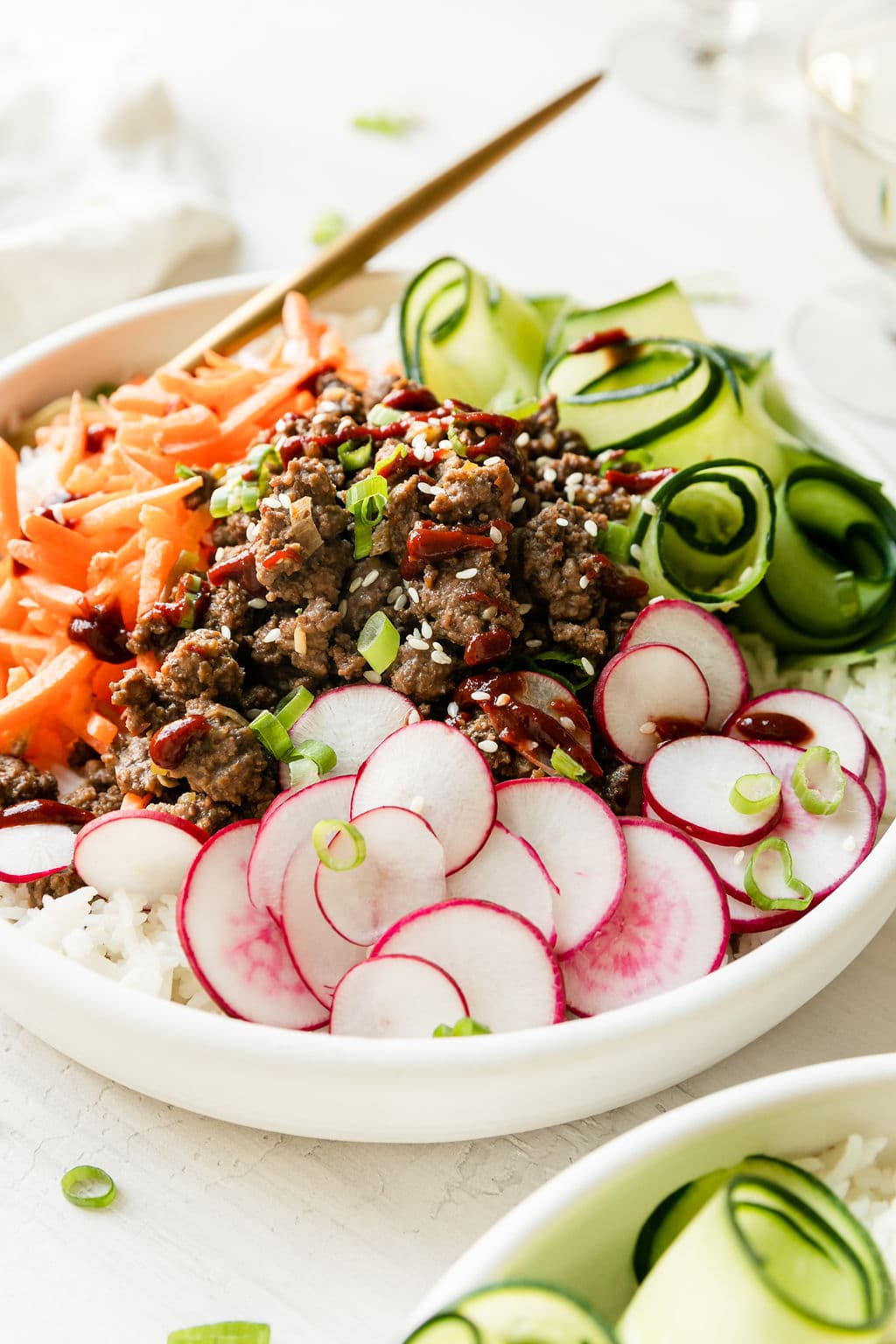
- Lunch: 1 teriyaki salmon bowl made with ½ cup cooked brown rice, 6 ounces marinated salmon fillet, and topped with ½ cup cucumber, ¼ cup shredded carrots, ¼ cup edamame, and ¼ of an avocado + water
- Snack: 2 turkey snack sticks (1 ounce) + ¼ cup hummus + 2 mini cucumbers + water
- Dinner: 1 serving of sheet pan chicken thighs and broccoli with honey-mustard sauce + ½ cup mashed sweet potatoes + and seltzer water
The daily nutrient totals for this sample meal plan are: 1,560 calories; 68 grams total fat; 19 grams saturated fat; 2,117 mg sodium; 114 grams carbohydrate; 19 grams fiber; 38 grams sugar; 120 grams protein; 356 mg cholesterol
Living And Eating Well With Diabetes
While a diagnosis of diabetes or prediabetes is not fun, it can be a helpful reminder or wake-up call about the importance of nourishing our bodies for the long run. As you follow and personalize a diabetic diet to your lifestyle, you’ll feel better, sleep better, and lower your risk of chronic disease.
Beyond meal planning and reigning in carbohydrates, it will be important to manage stress, maintain a healthy body weight, and get daily movement and physical activity. All of these healthy habits contribute to the successful management of blood sugar. And if medication is appropriate or necessary to manage your diabetes, your doctor will also recommend some options.
There is no quick fix or perfect diabetic meal plan that will work for every single person. With the support of your healthcare team, family, and loved ones, you’ll learn what works best for you.
And remember: What you do most of the time is most important. Not every single bite you take will need to be perfect. Even with diabetes, there is room for flexibility and fun, all while achieving your health goals of feeling better and stabilizing blood sugars.
Frequently Asked Questions
The most important thing to pay attention to while dining out with diabetes is portion sizes. Restaurants tend to serve far bigger helpings of foods and beverages than you’d choose at home. Also, be mindful of drink choices at restaurants, as sweetened beverages and alcohol can have a quick effect on blood sugar. And just like I’d recommend at home, look for restaurant meals that include a mix of proteins, whole-food carbs, and non-starchy veggies.
Potentially, as some experts say it’s a strategy that could be an effective alternative to traditional dieting, though you wouldn’t want to go drastically long (like more than 16 hours) between meals. If intermittent fasting seems like a strategy that might work for you, be sure to chat with your doctor or local dietitian to create the frequency boundaries that are appropriate for you and take into consideration any medications you’re taking.
Yes, if well planned, a plant-based eating pattern can work for someone managing diabetes. Plant-based diets tend to be rich in fiber, vitamins and minerals, and antioxidants, all of which help to support stable blood sugars. Work with a local dietitian who can help create a vegetarian or vegan meal plan that also includes plant-based protein, healthy fats, and low-processed plant-based options.
Yes, the good news about a diagnosis of prediabetes is that prediabetes can be reversed and doesn’t have to lead to a diagnosis of type 2 diabetes. One in three adults in the U.S. has blood sugar levels that put them in a prediabetic category, but lifestyle and diet modifications are the most effective interventions for lowering blood sugars.




For ultimate success, we highly recommend reading the tips in the full blog post above. All photos and content are copyright protected. Please do not use our photos without prior written permission. If you wish to republish a recipe, please rewrite the recipe in your own unique words. Link back to the source recipe here on The Real Food Dietitians. Thank you!