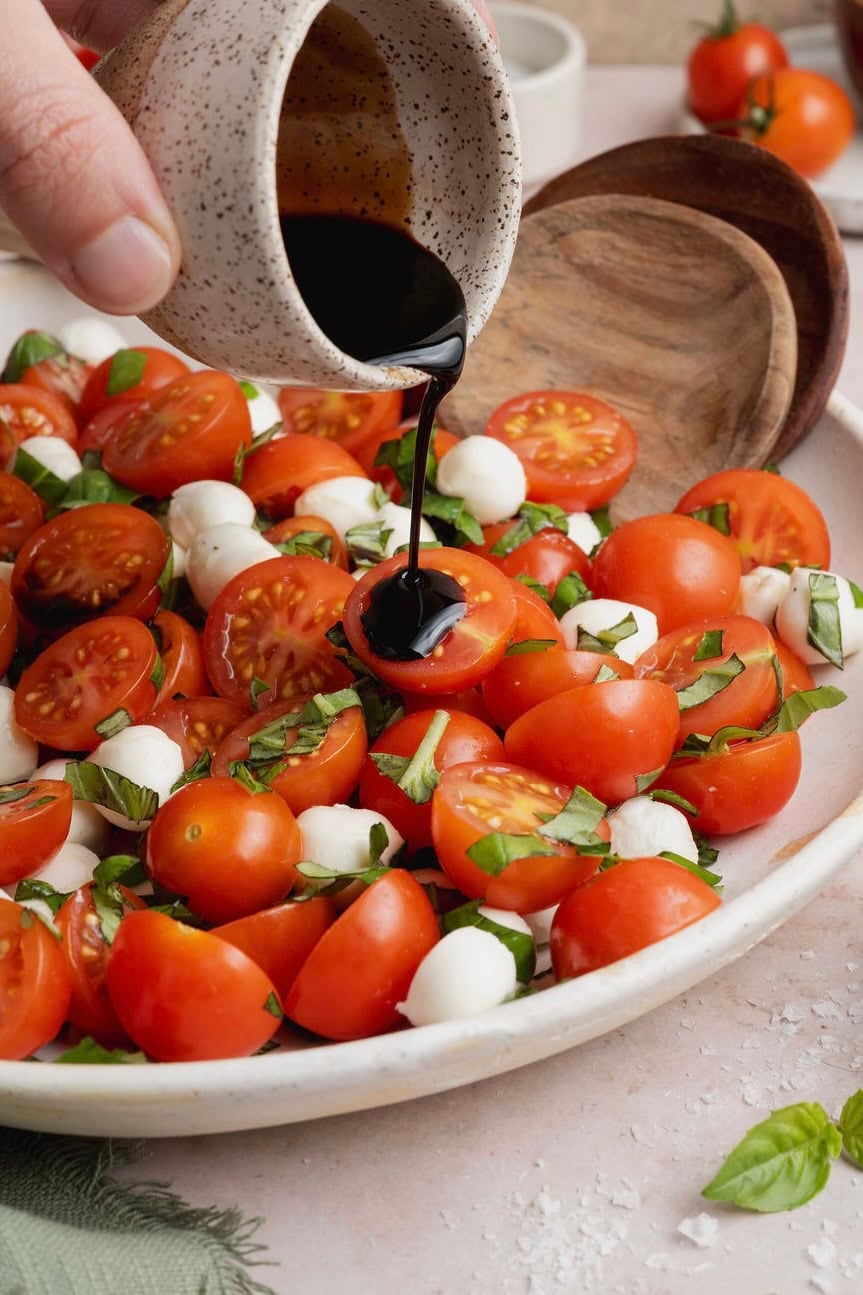
Homemade balsamic glaze is one of those recipes that surprises me every time because it’s almost unbelievably simple. With just one ingredient and a little patience, I end up with a rich, glossy glaze that tastes every bit as good—if not better—than many store-bought versions. I make it for drizzling over caprese salad, grilled chicken, roasted veggies, and salads. Making it at home is so simple and can save money while giving me complete control over the final flavor and consistency.
Recipe Highlights
Only one ingredient. This recipe couldn’t be simpler. All that’s needed is some good-quality balsamic vinegar, which transforms into a rich, concentrated glaze with almost no hands-on effort.
Budget-friendly. Homemade balsamic glaze is often less expensive than purchasing a prepared bottle, especially when making larger batches or using it regularly.
Customize the consistency. One of the biggest advantages of making this recipe at home is controlling the thickness. Simmer for a shorter time for a thinner reduction or continue cooking for a thicker, honey-like or syrupy consistency.
Make it ahead. Since the glaze keeps well in the refrigerator for a month or even longer, I make it ahead so it’s ready whenever I want to add a finishing drizzle to a meal.
Choosing A High-Quality Balsamic Vinegar
Since this recipe relies on just one ingredient, choosing a high-quality balsamic vinegar makes all the difference. I recommend selecting a balsamic vinegar from Modena, Italy, since this region is known for producing exceptional balsamic vinegar with naturally balanced sweetness and acidity.
I made this recipe using Primal Kitchen Organic Balsamic Vinegar of Modena, which has excellent flavor and reduces nicely. Whole Foods 365 Organic Balsamic Vinegar of Modena is another reliable option that works well.
There’s no need to purchase the most expensive bottle on the shelf, but avoiding very inexpensive vinegars with added coloring or unnecessary ingredients will produce a smoother, richer glaze. Since the vinegar becomes concentrated as it cooks, starting with one that already tastes great leads to the best final result.
One thing that’s completely normal: heating vinegar creates a strong aroma. I always open a few windows or turn on my oven range hood while it’s simmering because the vinegar scent can be quite intense. Thankfully, the smell disappears once cooking is finished.
Find the ingredient list with exact measurements in the recipe card below.
Ready In 3 Simple Steps
Learning how to make balsamic glaze is a pro move for home cooks. It’s so simple, saves money, and it an almost entirely hands-off process, and here’s how I recommend making it:
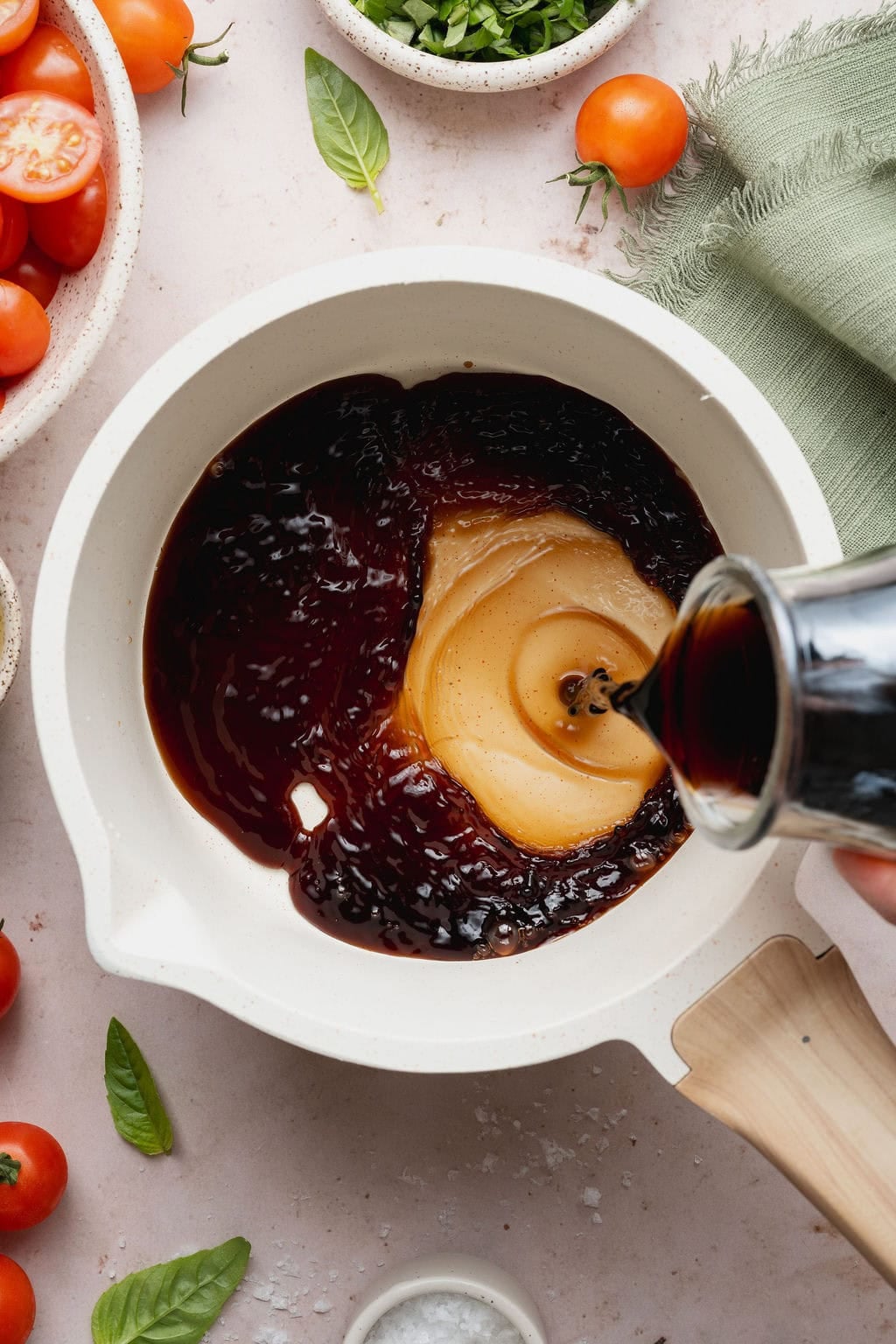
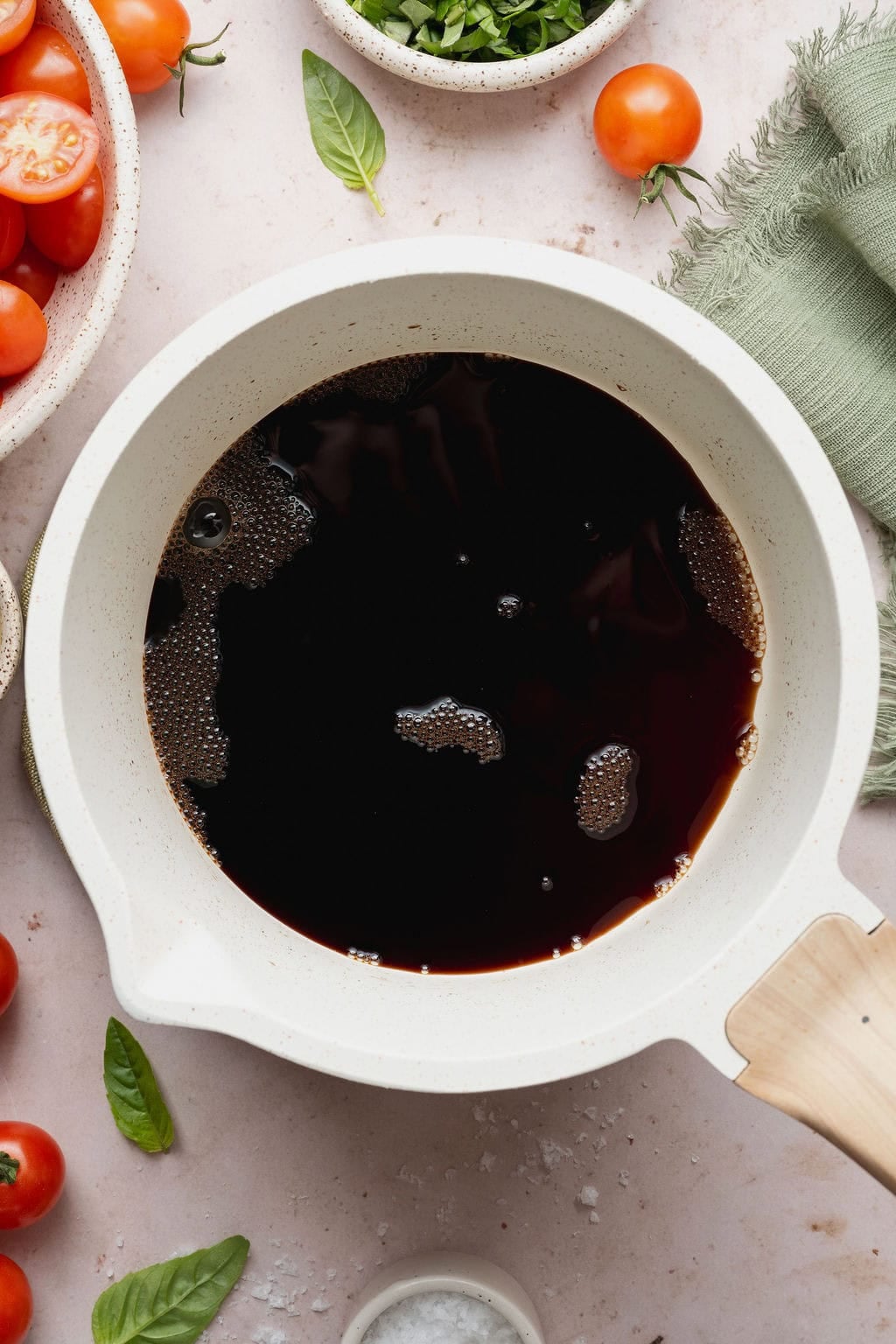
- Bring the vinegar to a boil in a saucepan on the stovetop before lowering the heat to maintain a gentle simmer. As the vinegar cooks, water slowly evaporates and the natural sugars become more concentrated, creating the thick, glossy consistency.
- Keep simmering: The biggest mistake I see is judging the thickness while the glaze is still hot. Warm glaze always appears thinner than it actually is. After removing it from the heat, the glaze continues to thicken noticeably as it cools, so it’s better to stop cooking just before it reaches the desired consistency. I find that when I let it reduce for 20 minutes, I have a nice reduction that works well for drizzling over salads and veggies. And if I let it reduce for 30 minutes, that’s when I get a thick syrup-like glaze that’s ideal for using as a finishing sauce to drizzle over fresh salads and grilled meats.
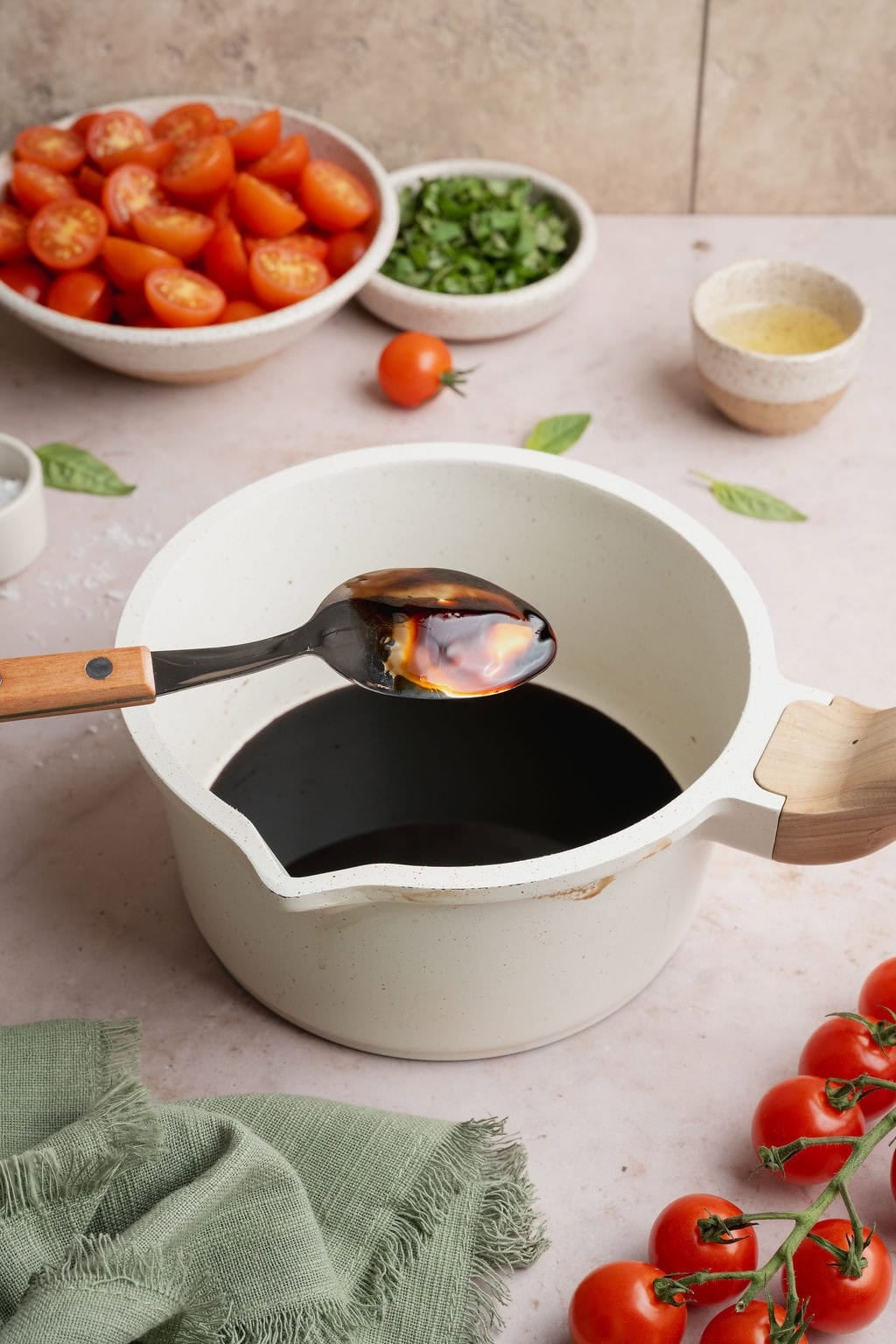
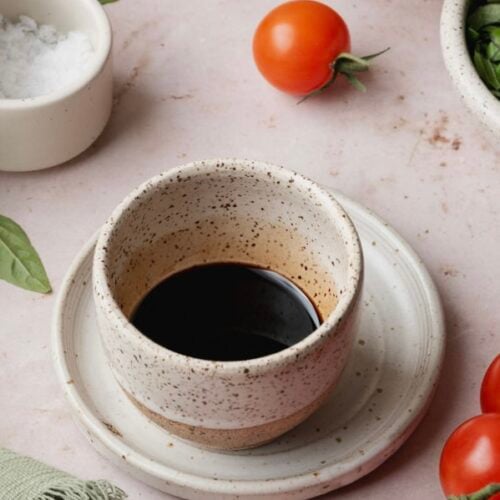
- Do the spoon test: Ideally, the vinegar will reduce by half, providing ¼ cup of balsamic glaze from the original ½ cup balsamic vinegar. I test the thickness by dipping a spoon in the glaze. It should coat the back of a spoon and stick to it a bit without sliding right off. The thicker the glaze, the longer it will stay on the back of the spoon.
For serving size and the complete directions and ingredient amounts, scroll down to the recipe card below. All of our recipes include the nutrition analysis, listing calories (kcals), protein, carbohydrates/carb, fiber, sugar, sodium, cholesterol, and more per serving.
For Faster Cooling
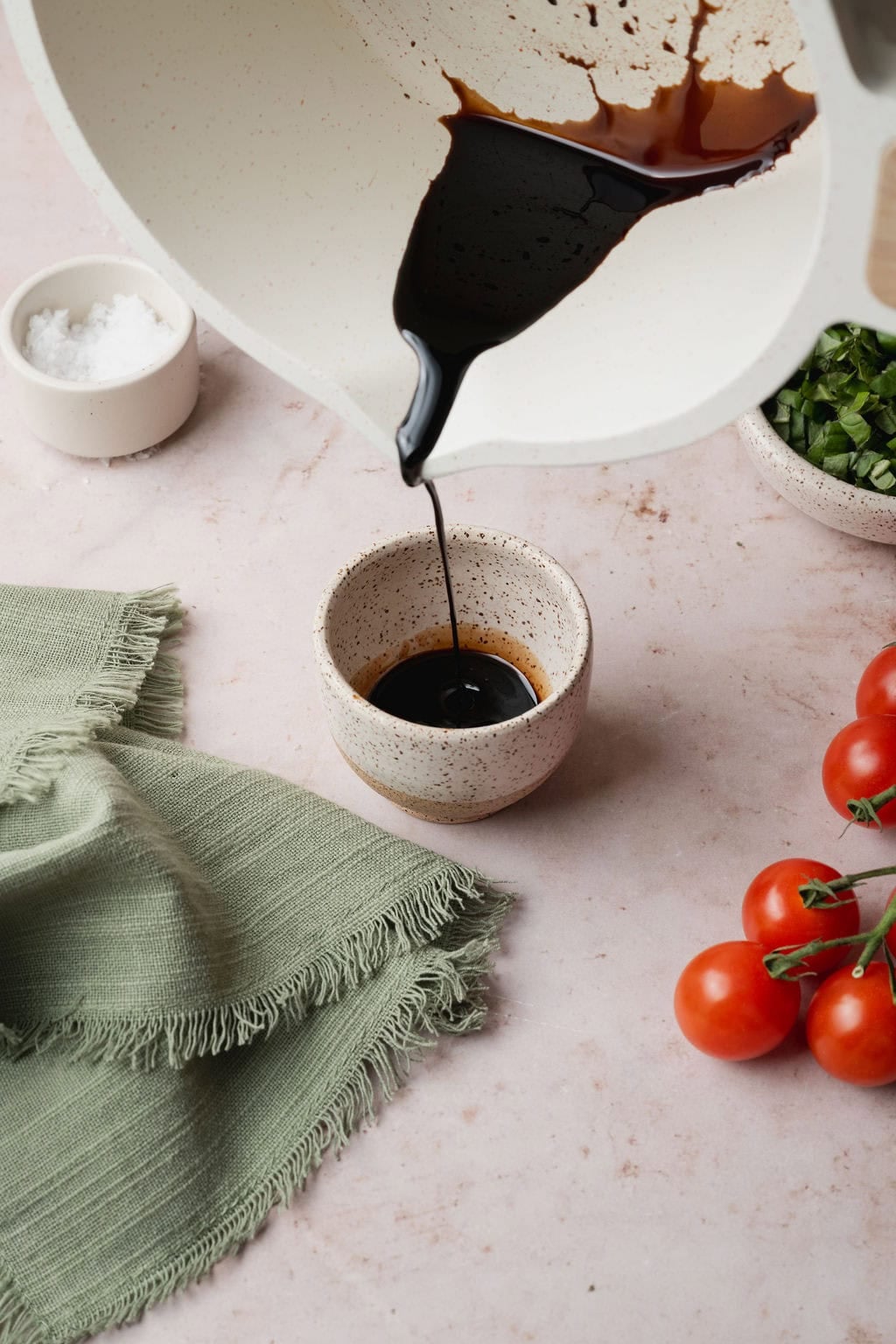
If I’m making balsamic glaze for a recipe that same day, I don’t like waiting for it to cool in the saucepan. Instead, I transfer it to a small glass measuring cup, which helps it cool more quickly thanks to the larger surface area.
For even faster cooling, I place the measuring cup in the refrigerator for at least 15 minutes. The glaze thickens as it cools, making it much easier to judge the final consistency before serving.
Ways To Use This Glaze
A little bit of this homemade balsamic glaze recipe goes a surprisingly long way, so the ¼ cup of glaze that this recipe provides will be enough to enjoy in multiple ways. One of the classic uses for it is drizzling it over a simple caprese salad with fresh tomatoes, mozzarella, basil, flaky sea salt, and high-quality extra-virgin olive oil.
It also makes an easy finishing condiment for grilled chicken, steak, pork, salmon, and bruschetta or mushroom crostinis. I love adding a light drizzle over roasted Brussels sprouts, cooked asparagus, roasted carrots, and these zucchini boats because the sweet-tart flavor pairs nicely with caramelized vegetables.
Fresh fruit is another favorite. Strawberries, peaches, figs, watermelon, and pears all become even more delicious with just a small drizzle of balsamic glaze. It also adds an unexpected pop of flavor to strawberry shortcake, this whipped goat cheese dip, and bowls of vanilla ice cream. And it’s great with savory options, too, like grain bowls, sandwiches, pizza, and cheese boards.
Store Up To A Month
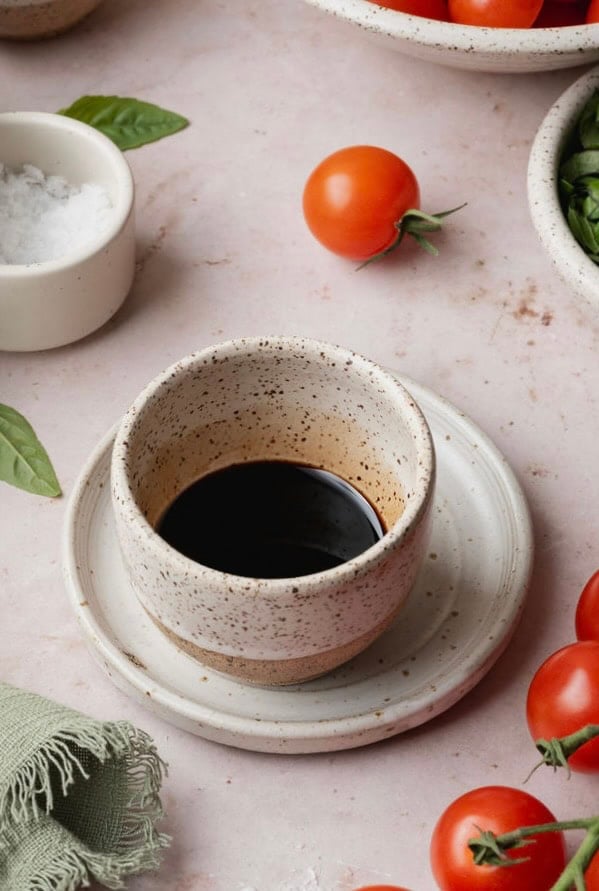
Once completely cooled, I transfer the balsamic glaze to a small airtight glass jar or another airtight container before refrigerating it. Glass containers work especially well because they don’t absorb flavors and make it easy to drizzle the glaze later.
The glaze keeps well in the refrigerator for up to one month, or even longer. If it becomes slightly thicker than desired after chilling, simply allow it to sit at room temperature for a few minutes before using.
Frequently Asked Questions
Balsamic vinegar is the original liquid vinegar, while balsamic glaze is simply balsamic vinegar that has been simmered until it’s reduced, thickened, and concentrated. The reduction of balsamic vinegar creates a thicker almost maple syrup-like liquid and intensifies both the sweetness and flavor without adding sweetener.
Some balsamic glaze recipes include brown sugar to create a sweeter, thicker glaze more quickly. I don’t find it necessary when starting with a good-quality balsamic vinegar because the natural sugars become concentrated as the vinegar reduces. The result has a clean, balanced flavor that lets the vinegar shine and doesn’t taste overly sweet.
They’re very similar but not always identical. A balsamic reduction is typically cooked for a shorter period and remains thinner, while a balsamic glaze cooks longer until it reaches a thicker, syrup-like consistency. Since homemade glaze is easy to customize, I simply stop somewhere between 20 and 30 minutes, when the glaze reaches the consistency I want.
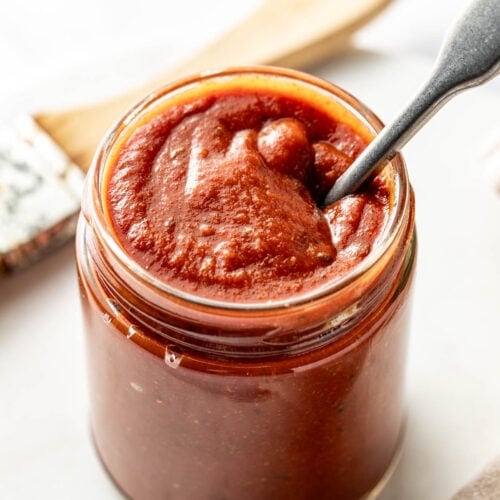
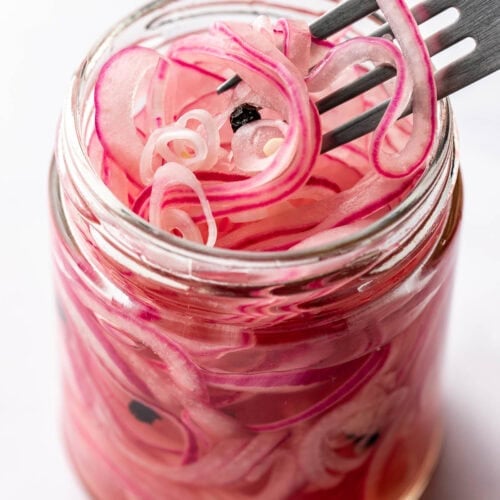
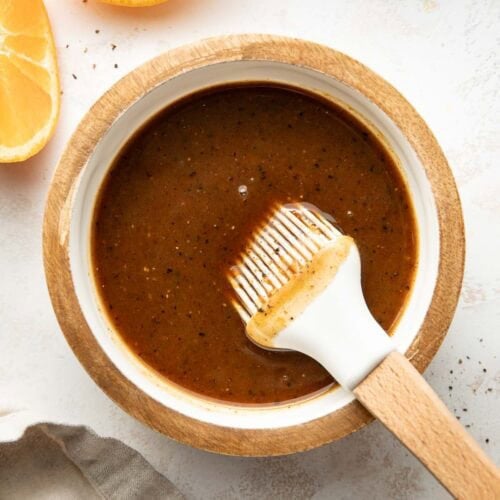
More Homemade Condiments To Make
Want to save this recipe?
Enter your email below & we’ll send it straight to your inbox. Plus you’ll get great new recipes from us every week!
Balsamic Glaze
This homemade balsamic glaze transforms a single ingredient into a rich, glossy finishing sauce that’s perfect for salads, grilled meats, roasted vegetables, fresh fruit, and more. It’s easy to make ahead, stores well for up to one month, and allows complete control over the final consistency.
Ingredients
- ½ cup good quality balsamic vinegar
Instructions
- Add the balsamic vinegar to a small saucepan over medium-high heat.
- Bring the balsamic vinegar to a boil, then reduce the heat to medium-low and hold at a very low simmer, uncovered, until it has reduced to desired thickness. After about 20 minutes, the vinegar will have reduced by one-third to make a vinegar reduction. At about 30 minutes, the vinegar will have reduced by half to make a thicker vinegar glaze.
- Remove the pan from the heat and allow the glaze to cool. The glaze will continue to thicken a bit more as it cools. For faster cooling, transfer it to a small glass measuring cup and refrigerate it for at least 15 minutes.
Last Step! Please leave a review and rating letting us know how you liked this recipe! This helps our business thrive so we can continue providing free recipes and high-quality content for you.
Notes
Use a good quality organic balsamic vinegar, such as Primal Kitchen Organic Balsamic Vinegar of Modena or Whole Foods 365 Organic Balsamic Vinegar of Modena.
Store glaze in the refrigerator for up to 1 month.
Nutrition Information
- Serving Size: 1 teaspoon
- Calories: 13
- Fat: 0 g
- (Sat Fat: 0 g)
- Sodium: 0 mg
- Carbohydrate: 3 g
- (Fiber: 0 g
- Sugar: 2 g)
- Protein: 0 g
- Cholesterol: 0 mg
Dietary
The photos in this post were taken by Kaitlin of Creating Kaitlin.
For ultimate success, we highly recommend reading the tips in the full blog post above. All photos and content are copyright protected. Please do not use our photos without prior written permission. If you wish to republish a recipe, please rewrite the recipe in your own unique words. Link back to the source recipe here on The Real Food Dietitians. Thank you!